جزئیات کتاب
فرمت
جلد سخت
صفحات
281
زبان
انگلیسی
منتشر شده
Jan 1, 2001
ناشر
Charles C. Thomas Publisher
نسخه
2
ISBN-10
0398072418
ISBN-13
9780398072414
توضیحات
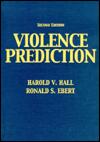
In a world increasingly grappling with issues of violence and crime, the need for reliable methods of prediction has never been more pressing. This insightful work delves deep into the nuances of violence prediction, providing essential guidelines tailored for forensic practitioners. Through a careful exploration of empirical research and case studies, the authors offer a comprehensive framework to understand the complexities surrounding violent behavior.
Hall and Ebert bring together a wealth of knowledge and experience, guiding readers through the psychological, social, and environmental factors that contribute to violence. They emphasize the importance of a meticulous approach in assessing individuals and situations, equipping practitioners with the tools necessary for effective predictions and interventions. Their in-depth analysis helps demystify the often-overwhelming landscape of forensic assessment.
The book addresses the ethical implications of violence prediction, reminding practitioners of the responsibilities that accompany their work. By striking a balance between scientific principles and real-world application, the authors foster a deeper understanding of how to approach potential threats with both caution and care.
Through this rigorous exploration, Hall and Ebert not only contribute to the field of forensic psychology but also encourage ongoing dialogue about violence prevention strategies. Their commitment to enhancing practitioner knowledge underscores the crucial role that informed assessment plays in the wider pursuit of societal safety.
Hall and Ebert bring together a wealth of knowledge and experience, guiding readers through the psychological, social, and environmental factors that contribute to violence. They emphasize the importance of a meticulous approach in assessing individuals and situations, equipping practitioners with the tools necessary for effective predictions and interventions. Their in-depth analysis helps demystify the often-overwhelming landscape of forensic assessment.
The book addresses the ethical implications of violence prediction, reminding practitioners of the responsibilities that accompany their work. By striking a balance between scientific principles and real-world application, the authors foster a deeper understanding of how to approach potential threats with both caution and care.
Through this rigorous exploration, Hall and Ebert not only contribute to the field of forensic psychology but also encourage ongoing dialogue about violence prevention strategies. Their commitment to enhancing practitioner knowledge underscores the crucial role that informed assessment plays in the wider pursuit of societal safety.
ژانرها
علم و فناوری
تاریخ
سلامت و تندرستی
معاصر