

Description
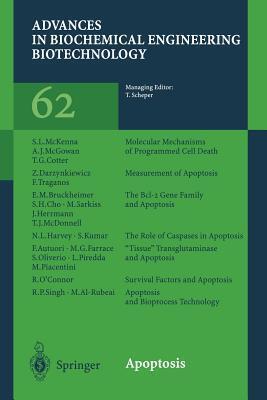
This comprehensive volume delves into the intricate world of apoptosis, the programmed process of cell death vital for maintaining the body's cellular balance. A range of esteemed authors contributes their expertise, reflecting a collaboration of prominent figures in the field of cellular biology. Their insights offer a nuanced understanding of how apoptosis operates at both functional and molecular levels, laying bare its significance in health and disease.
Through a series of detailed discussions, the book examines the mechanisms that govern cell death, highlighting how dysregulation can lead to various diseases, including cancer and autoimmune disorders. It also explores the application of apoptosis research in therapeutic contexts, presenting innovative strategies for harnessing this biological process in medicine.
Readers from various backgrounds—be they students, researchers, or practitioners—will find valuable information and thought-provoking analysis that sheds light on this crucial aspect of cellular life. The collective expertise showcased in this volume not only enriches the current understanding of apoptosis but also paves the way for future research aimed at translating these findings into clinical practices.
Through a series of detailed discussions, the book examines the mechanisms that govern cell death, highlighting how dysregulation can lead to various diseases, including cancer and autoimmune disorders. It also explores the application of apoptosis research in therapeutic contexts, presenting innovative strategies for harnessing this biological process in medicine.
Readers from various backgrounds—be they students, researchers, or practitioners—will find valuable information and thought-provoking analysis that sheds light on this crucial aspect of cellular life. The collective expertise showcased in this volume not only enriches the current understanding of apoptosis but also paves the way for future research aimed at translating these findings into clinical practices.
Détails du livre
Format
Broché
Pages
206 pages
Langue
Anglais
Publié
oct. 3, 2013
Éditeur
Springer
ISBN-10
3662147696
ISBN-13
9783662147696