Description
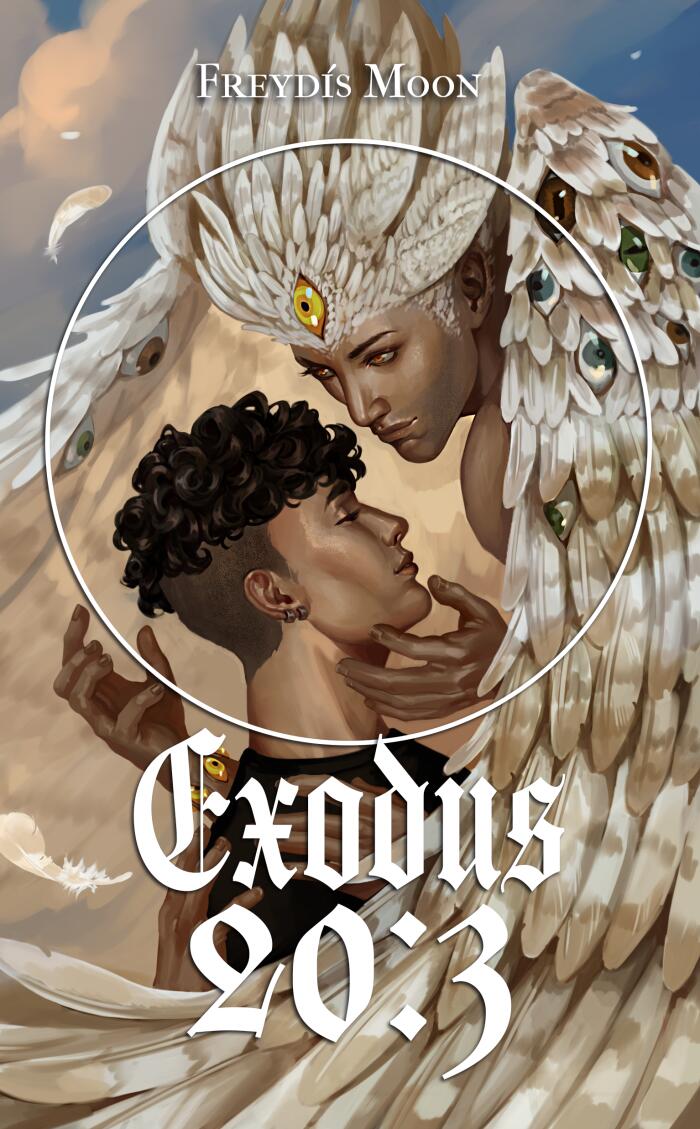
In a world where religious fervor intertwines with the complexities of desire, Freydís Moon explores the collision of sacred and profane in a gripping narrative. Characters grapple with their faith and longings, navigating the confines of conventional beliefs while yearning for liberation. The story's claustrophobic setting amplifies the tension as emotions escalate, revealing the intricacies of human longing and the spirituality that both binds and divides them.
As the protagonists confront their inner demons, they find themselves drawn to monstrous figures that embody both fear and attraction. These unconventional relationships challenge the boundaries of love and acceptance, inviting readers to question societal norms surrounding sexuality and identity. In this way, the tale becomes a powerful commentary on queer emancipation, urging individuals to embrace their true selves despite societal constraints.
Throughout the narrative, themes of transformation and redemption shimmer beneath the surface, as characters embark on their journeys of self-discovery. They learn that true freedom lies in acceptance—of oneself and of others, transcending the rigid structures that seek to define them.
As the protagonists confront their inner demons, they find themselves drawn to monstrous figures that embody both fear and attraction. These unconventional relationships challenge the boundaries of love and acceptance, inviting readers to question societal norms surrounding sexuality and identity. In this way, the tale becomes a powerful commentary on queer emancipation, urging individuals to embrace their true selves despite societal constraints.
Throughout the narrative, themes of transformation and redemption shimmer beneath the surface, as characters embark on their journeys of self-discovery. They learn that true freedom lies in acceptance—of oneself and of others, transcending the rigid structures that seek to define them.