

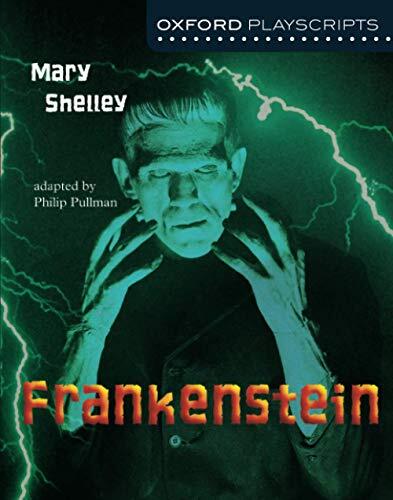
Description
In a striking collaboration, Philip Pullman revisits the timeless tale crafted by Mary W. Shelley, bringing fresh perspectives to a story that has haunted and inspired generations. Shelley's gothic masterpiece explores the profound effects of ambition and isolation through the plight of Victor Frankenstein, a scientist whose quest for knowledge leads him to create life from the lifeless, only to confront the tragic consequences of his actions.
Pullman's adaptation breathes new life into the narrative, melding his own lyrical prose with the haunting themes of creation, responsibility, and the human condition. He delves into the psyche of both creator and creature, offering readers an intimate glimpse into their struggles, hopes, and deep-seated fears. The haunting atmosphere is palpable, as the story oscillates between profound wisdom and agonizing despair.
This rendition not only captures the essence of Shelley's original work but also invites modern readers to reflect on the moral dilemmas that arise when humanity seeks to play god. Their shared vision transcends time, making this profound exploration of existence resonate with those yearning to understand the complexities of life and the shadows that linger within it.
Pullman's adaptation breathes new life into the narrative, melding his own lyrical prose with the haunting themes of creation, responsibility, and the human condition. He delves into the psyche of both creator and creature, offering readers an intimate glimpse into their struggles, hopes, and deep-seated fears. The haunting atmosphere is palpable, as the story oscillates between profound wisdom and agonizing despair.
This rendition not only captures the essence of Shelley's original work but also invites modern readers to reflect on the moral dilemmas that arise when humanity seeks to play god. Their shared vision transcends time, making this profound exploration of existence resonate with those yearning to understand the complexities of life and the shadows that linger within it.
Détails du livre
Format
Broché
Pages
80 pages
Langue
Anglais
Publié
août 6, 2003
Éditeur
Oxford University Press España, S.A.
Édition
UK ed.
Éditions
1619 éditions
ISBN-10
0198314981
ISBN-13
9780198314981
Genres
Romance
Mystère
Science-fiction
Dystopique
Thriller & Suspense
Jeunes adultes
Enfants
Biographie
Action & Aventure
Autobiographie & Mémoire
Développement personnel
Religion & Spiritualité
Science & Technologie
Histoire
Horreur
Humour
Affaires & Économie
Philosophie
Fantaisie
Manga
Romans graphiques
Poésie
Livres de cuisine
Voyage
Santé et Bien-être
Art et Photographie
Crime
Classiques
Contemporain
Paranormal
Politique
Nature
Psychologie
Avis
Voir tout

É impressionante pensar que este romance foi escrito por uma jovem de apenas dezoito anos. Shelley utiliza o horror não para assustar, mas para discutir responsabilidade, ambição e solidão. O verdadeiro monstro nunca é apenas a criatura, mas também o homem incapaz de assumir as consequências de seus próprios atos. A escrita mantém um tom melancólico que acompanha toda a narrativa, fazendo do livro muito mais uma tragédia do que uma história de terror. É um clássico que continua relevante sempre que a ciência avança mais rápido do que a ética.
August 2nd 2026

The tragedy of the monster and the wretchedness of the man.
July 18th 2026