

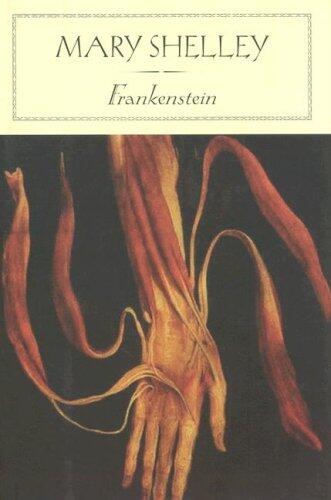
Frankenstein
Avis

I loved this book. The story is so intense and emotional. It’s not just about the monster, it’s about loneliness, mistakes, and wanting to be loved. Mary Shelley’s writing is amazing, and the way she shows emotions and makes you think is the perfect point of this book.

This book dives straight into the consequences of unchecked ambition, the ethics of creation, and the devastating loneliness of being made “wrong” by the world before you ever get a chance to exist. Victor Frankenstein is brilliant but catastrophically irresponsible — he wants the glory of creating life, but none of the accountability that comes with it. His cowardice is honestly more monstrous than the creature’s violence.And the creature? Shelley gives him a terrifying level of emotional depth. He’s articulate, perceptive, painfully self-aware. His tragedy isn’t that he’s ugly — it’s that he learns empathy first, and cruelty second. Watching him shift from yearning for connection to calculating vengeance is the kind of character arc modern authors still try and fail to replicate.What really carries the novel is its atmosphere. The isolation. The raw, bleak landscapes mirroring the absolute unraveling of two souls who can’t escape each other. Shelley understood existential dread before we had a name for it.Is the pacing Victorian? Obviously. Does it meander? Sure. But the ideas are sharp enough to cut through any slow patches, and the emotional intelligence on display is still leagues above most contemporary “dark academia” imitators.Bottom line: Frankenstein is a masterpiece because it doesn’t just tell a story — it forces you to confront what responsibility, compassion, and monstrosity actually mean. And every time you reread it, you walk away with a slightly different answer.
This book dives straight into the consequences of unchecked ambition, the ethics of creation, and the devastating loneliness of being made “wrong” by the world before you ever get a chance to exist. Victor Frankenstein is brilliant but catastrophically irresponsible — he wants the glory of creating life, but none of the accountability that comes with it. His cowardice is honestly more monstrous than the creature’s violence.And the creature? Shelley gives him a terrifying level of emotional depth. He’s articulate, perceptive, painfully self-aware. His tragedy isn’t that he’s ugly — it’s that he learns empathy first, and cruelty second. Watching him shift from yearning for connection to calculating vengeance is the kind of character arc modern authors still try and fail to replicate.What really carries the novel is its atmosphere. The isolation. The raw, bleak landscapes mirroring the absolute unraveling of two souls who can’t escape each other. Shelley understood existential dread before we had a name for it.Is the pacing Victorian? Obviously. Does it meander? Sure. But the ideas are sharp enough to cut through any slow patches, and the emotional intelligence on display is still leagues above most contemporary “dark academia” imitators.Bottom line: Frankenstein is a masterpiece because it doesn’t just tell a story — it forces you to confront what responsibility, compassion, and monstrosity actually mean. And every time you reread it, you walk away with a slightly different answer.
Journal de lecture
Aucun journal de lecture trouvé
Commencez à suivre vos progrès de lecture pour voir les journaux ici
Ajoutez votre premier journal de lectureNotes
Journal des transactions
Aucun journal de transactions trouvé
Commencez à suivre vos transactions de livres pour voir les journaux ici
Ajoutez votre premier journal de transactions