

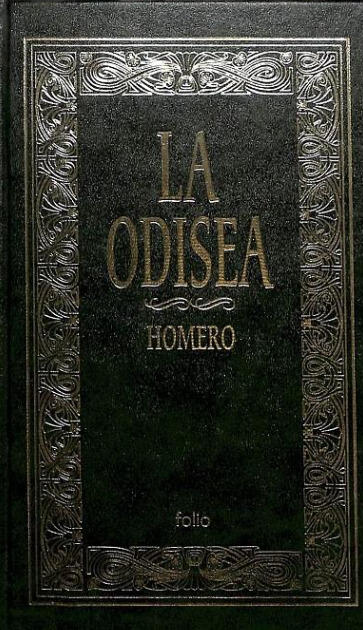
Description
A través de su historia, Odiseo se revela no solo como un guerrero valiente, sino también como un hombre lleno de emociones y anhelos. La búsqueda de su identidad y su amor por su hogar son temas centrales que resuenan a lo largo de la narrativa. Además, la obra explora las complejidades del destino y la intervención divina, así como la resistencia humana ante las adversidades.
Este relato clásico, con su rica prosa y personajes memorables, ofrece una mirada fascinante a la cultura y las creencias de la antigua Grecia, haciendo que la experiencia de leerlo sea tanto educativa como entretenida. El viaje de Odiseo es una reflexión sobre la perseverancia y la esperanza que trasciende generaciones.
Détails du livre
Genres
Avis
Voir tout
Harper Lee constrói um romance que permanece atual porque entende que o preconceito raramente se apresenta de forma explícita. Ao acompanhar a história pelos olhos de Scout, o leitor percebe o racismo e a injustiça de maneira ainda mais impactante, justamente pela inocência com que ela observa o mundo. Atticus Finch não é memorável apenas por seus discursos, mas pela coerência entre aquilo que acredita e a forma como escolhe viver. Mais do que um romance sobre um julgamento, este é um livro sobre caráter, empatia e coragem moral. É um clássico que merece sua permanência entre as obras mais importantes da literatura.

Imagine an entire civilization of clout chasing sociopaths, The Odyssey in a nutshell.

I liked this a lot more than I did when I read it in school.That's probably unsurprising: even for bookworms (perhaps especially for bookworms?) school has a tendency to analyze the fun out of anything. My memories of this story were of it printed in far-too-tiny font on the front and back of sheets of paper we had to staple together and keep in our binders, of small portions read aloud (badly) in the stumbling tones of bored classmates, and of a story that meandered through a few weeks of study (or at least they felt like a few weeks--it's hard to say how long it actually was) and then got wrapped up very suddenly at the end by the teacher, who must have realized she'd extended the lesson too long and had to fit something else in.I think hearing it read aloud made a big difference. The translator (Emily Wilson) said in her note at the start that she'd tried hard to ensure it sounded good spoken, and it honestly showed. I found myself repeating small bits as the narrator spoke, and it felt like it flowed really well. I won't pretend to know enough about poetry to say more than I liked how it sounded and I was aware of the language and flow without them getting in the way, which is honestly what I want in most things. There was none of the feeling of un-wrangling the words and meaning I had when I first read this in school.I'll leave the deconstruction of the actual story to people better qualified than I--I'm sure it's been done to death, and I'm sure anyone reading this has at least a cursory understanding of the problems faced by Odyessus on his way home. I had forgotten how much time we spent with Odysseus' son Telemachus, and that for all the story is named after him, Odysseus isn't necessarily even the main character of parts.If, like me, you are wondering if you missed something when you read this in school, this is definitely worth picking up and listening to. The story holds up quite well, and for all I knew how it ended, I was listening fascinated throughout.