

Description
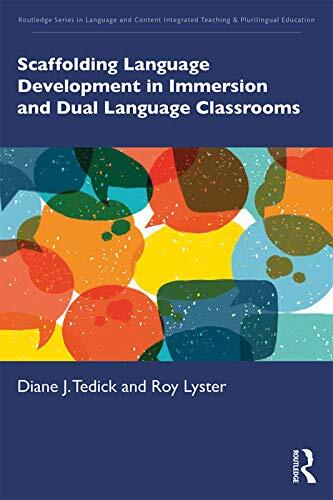
In a world that increasingly values multilingualism and cultural diversity, understanding effective language development strategies in educational settings is essential. The authors delve into the intricacies of immersion and dual language classrooms, presenting innovative frameworks designed to support educators in fostering language skills. They examine the challenges these environments can pose and provide researched methodologies to enhance learning outcomes for students of varying linguistic backgrounds.
The exploration of language scaffolding is central to their discussions. Techniques are elucidated that empower teachers to create inclusive and dynamic lessons. By grounding their approach in evidence-based practices, the authors advocate for instructional models that not only emphasize linguistic proficiency but also boost comprehension and engagement among learners.
In addition to practical strategies, the narrative emphasizes the importance of cultural responsiveness within teaching methodologies. The authors champion a holistic approach that respects students’ diverse histories and identities, bridging gaps between language learning and cultural integration.
Targeted toward educators, policy makers, and researchers, this work serves as a vital resource in the ongoing conversation about language education. Through theoretical insights and practical applications, it invites readers to reimagine how language can be effectively taught in diverse classroom settings, paving the way for richer educational experiences.
The exploration of language scaffolding is central to their discussions. Techniques are elucidated that empower teachers to create inclusive and dynamic lessons. By grounding their approach in evidence-based practices, the authors advocate for instructional models that not only emphasize linguistic proficiency but also boost comprehension and engagement among learners.
In addition to practical strategies, the narrative emphasizes the importance of cultural responsiveness within teaching methodologies. The authors champion a holistic approach that respects students’ diverse histories and identities, bridging gaps between language learning and cultural integration.
Targeted toward educators, policy makers, and researchers, this work serves as a vital resource in the ongoing conversation about language education. Through theoretical insights and practical applications, it invites readers to reimagine how language can be effectively taught in diverse classroom settings, paving the way for richer educational experiences.
Détails du livre
Format
Broché
Pages
382 pages
Langue
Anglais
Publié
Dec 12, 2019
Éditeur
Routledge
Édition
1
Éditions
3 editions
ISBN-10
1138369993
ISBN-13
9781138369993