

Descrizione
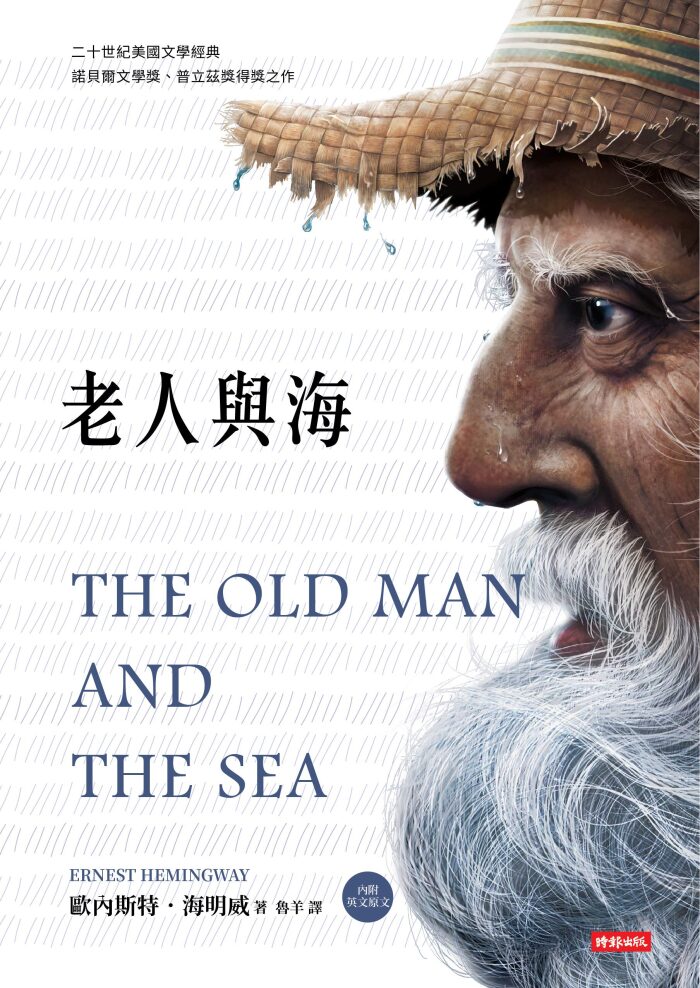
最後老人用了兩天兩夜才將其刺死。返航途中卻遇上鯊魚聞風而至,接連襲擊,又經過一天一夜的纏鬥,老人傾其所有,用刀刺、用槳插,戰至一兵一卒,才解決了輪番前來的鯊魚。然而,大魚卻也被啃食殆盡,僅存骨架……
關於這本書,再也沒有比海明威的老對手福克納的說法更精妙了:那個老人,一定要逮住那條魚,然後又失去牠;那條魚,一定要被逮住,然後又消失;那些鯊魚,一定要把魚從老人手裡奪走。這樣「奮鬥、得到,又失去」的過程就宛如人生一般,但我們仍然要對生命抱持希望與信心,在失去一切之後,休息整裝,準備再次出海,因為就像老人說的:「有好運氣當然好。但我寧願做到準確無誤。這樣,當好運來臨時,你已經準備好了。」
Dettagli del libro
Generi
Recensioni
Visualizza tutto

Trata sobre un señor que sale al mar a pescar solo, habla solo, pezca Un pez enorme después de mucho tiempo, pero los tiburones se lo comen casi al final de la historia, el disfruta su soledad pero le gustaría más estar acompañado.

Although there is no symbolism to be sought after in the story, for the author himself had declared that the old man is just an old man, the sea just the sea, and the sharks simply sharks; the plot rests all the same on the pillars of absurdism. Let us keep in mind that the novella was published in 1952, an era during which the doctrine and philosophy of absurdism was thriving under the leadership of Albert Camus. The latter's essay The Myth of Sisyphus, published exactly a decade ahead of The Old Man and the Sea, introduces the prototype of Santiago, namely the mythical Sisyphus. Imagine Sisyphus happy, suggests Camus. Imagine him content with the immense boulder he had to push all the way up the mountain just to see it tumble and roll down again. How could any such thing be a source of contentment?!! Well, what if Sisyphus had enjoyed part of the task in spite of the meaningless suffering! What if he liked the view from the summit of the mountain so he kept pushing his rock over and over again just to enjoy the scenery! What if he liked the flowers and their sweet aroma as he struggled with his burden! What if he liked the chirping of the birds, the brightly-colored butterflies...The same applies to Santiago in his seemingly absurd and obstinate struggle with the Marlin fish. What if the old man had simply enjoyed the physical exercise which was the daily custom of his old muscles! What if he liked the challenge between the sea rival and himself...To read the novella under this light is to acknowledge the meaninglessness of the world, and, in contrast with the existentialist view of creating your own meaning, to embrace the absurdity of your position in the universe and enjoy instead the things that you enjoy for their own sake. Every human being reaches this very state of mind at least once in their lives, and while an existentialist might struggle to create meaning and order, an absurdist would just go on like Sisyphus. If life is meaningless and absurd, there is still the consolation of all the people we love, the things we like to do, the places we would like to visit...