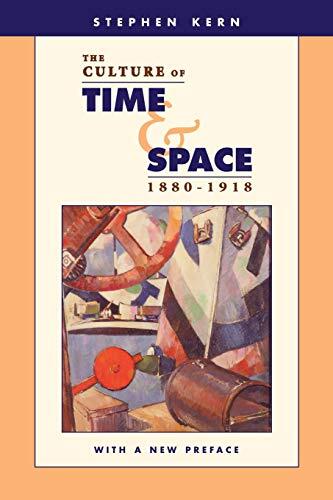
Dettagli del libro
Formato
Copertina rigida
Pagine
386
Lingua
Inglese
Pubblicato
Jun 4, 2007
Editore
University of California Press
Edizione
1
ISBN-10
0520251199
ISBN-13
9780520251199
Descrizione
Denis Feeney delves into the intricate relationship between ancient timekeeping and the emergent notions of history in his compelling exploration. He methodically traces how the Romans, particularly through the influence of Julius Caesar, redefined calendars and the flow of time, seamlessly intertwining chronology with cultural identity. Feeney's insights reveal how these changes did not just serve practical functions; they shaped societal structures and narratives that would echo through the ages.
While examining the impact of the Julian calendar, the author also reflects on the broader implications of time as a tool for understanding human existence. He draws parallels between timekeeping and the advent of historical consciousness, illustrating how innovations in marking time influenced human thought and memory. Feeney's prose carries a sense of clarity, making complex historical concepts accessible to readers with varying levels of familiarity with the topic.
Ultimately, this work invites readers to consider how our understanding of time continues to mold our perception of history. Feeney’s scholarly yet engaging approach emphasizes that calendars are more than mere systems of measurement; they are foundational to the tapestry of human experience, shaping not only how societies function but also how they perceive their past.
While examining the impact of the Julian calendar, the author also reflects on the broader implications of time as a tool for understanding human existence. He draws parallels between timekeeping and the advent of historical consciousness, illustrating how innovations in marking time influenced human thought and memory. Feeney's prose carries a sense of clarity, making complex historical concepts accessible to readers with varying levels of familiarity with the topic.
Ultimately, this work invites readers to consider how our understanding of time continues to mold our perception of history. Feeney’s scholarly yet engaging approach emphasizes that calendars are more than mere systems of measurement; they are foundational to the tapestry of human experience, shaping not only how societies function but also how they perceive their past.
Generi
Storia