

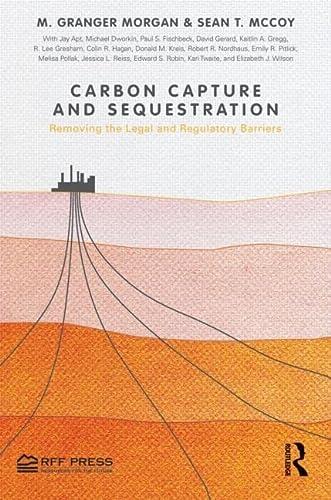
Dettagli del libro
Formato
Copertina rigida
Pagine
276
Lingua
Inglese
Pubblicato
Jun 21, 2012
Editore
Routledge
Edizione
1
ISBN-10
1617261017
ISBN-13
9781617261015
Descrizione
In a world increasingly threatened by climate change, the urgency to mitigate greenhouse gas emissions has never been more pressing. This book tackles the critical issue of carbon capture and sequestration, exploring the myriad legal and regulatory challenges that stand in the way of implementing effective solutions. The authors bring their vast expertise to the forefront, shedding light on the complexities of navigating the legal landscape surrounding carbon management technologies in the U.S.
Morgan and McCoy highlight the substantial reliance on fossil fuels for electricity generation and the pressing need for strategic measures to curb emissions. Through a thorough analysis, they outline the technological advancements in carbon capture and the operational hurdles posed by existing legislation. They argue that without significant reforms, these innovative approaches may struggle to gain traction, potentially undermining efforts to create a sustainable energy future.
By examining case studies and real-world applications, the authors provide valuable insights into successful initiatives, pointing out best practices that could serve as a model for future projects. The discussions range from federal to state regulatory frameworks, emphasizing the essential collaboration needed between various stakeholders to drive meaningful progress.
Ultimately, this work serves as a vital resource for policymakers, industry leaders, and environmental advocates alike, urging them to unify their efforts in overcoming barriers to effective carbon management. The authors not only diagnose the existing challenges but also advocate for practical solutions that can lead to a more resilient energy landscape.
Morgan and McCoy highlight the substantial reliance on fossil fuels for electricity generation and the pressing need for strategic measures to curb emissions. Through a thorough analysis, they outline the technological advancements in carbon capture and the operational hurdles posed by existing legislation. They argue that without significant reforms, these innovative approaches may struggle to gain traction, potentially undermining efforts to create a sustainable energy future.
By examining case studies and real-world applications, the authors provide valuable insights into successful initiatives, pointing out best practices that could serve as a model for future projects. The discussions range from federal to state regulatory frameworks, emphasizing the essential collaboration needed between various stakeholders to drive meaningful progress.
Ultimately, this work serves as a vital resource for policymakers, industry leaders, and environmental advocates alike, urging them to unify their efforts in overcoming barriers to effective carbon management. The authors not only diagnose the existing challenges but also advocate for practical solutions that can lead to a more resilient energy landscape.
Generi
Scienza e Tecnologia