

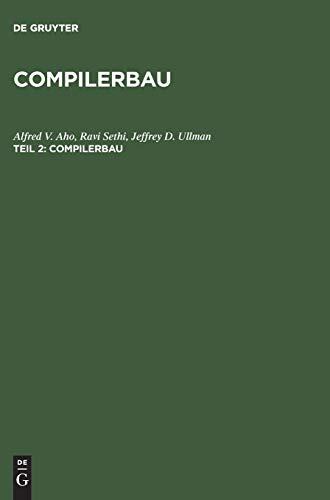
Dettagli del libro
Formato
Copertina rigida
Pagine
414
Lingua
Tedesco
Pubblicato
Apr 14, 2016
Editore
Oldenbourg Wissenschaftsverlag
Edizione
2nd 2., Durchgesehene Auflage ed.
ISBN-10
3486252666
ISBN-13
9783486252668
Descrizione
This volume delves into the intricate art of compiler construction, an essential aspect of computer science that forms the backbone of programming languages. The authors, who are authorities in the field, provide a comprehensive exploration of the underlying theories and practical applications of compiler design. Their expertise shines through as they articulate complex concepts with clarity, ensuring that readers gain a solid grasp of the material.
With a focus on both the theoretical framework and practical implementations, the discussions pave the way for a deeper understanding of how compilers work. The integration of academic rigor and real-world examples equips learners with the tools necessary for tackling the challenges of compiler construction. Each chapter builds upon the last, encouraging readers to engage with the material on a conceptual level while also honing their practical skills.
The book is structured to guide students through the various phases of compiler development, from lexical analysis and syntax parsing to semantic analysis and code generation. This progressive approach fosters a logical sequence of thought, making it easier to digest the complexities involved in crafting a robust compiler.
Furthermore, the collaboration of esteemed authors assures that readers are exposed to a wealth of knowledge, rich insights, and contemporary practices within the field. This work stands as a vital contribution to computer science literature, paving the way for aspiring developers and seasoned professionals alike to expand their knowledge of compilers and their significant role in programming.
With a focus on both the theoretical framework and practical implementations, the discussions pave the way for a deeper understanding of how compilers work. The integration of academic rigor and real-world examples equips learners with the tools necessary for tackling the challenges of compiler construction. Each chapter builds upon the last, encouraging readers to engage with the material on a conceptual level while also honing their practical skills.
The book is structured to guide students through the various phases of compiler development, from lexical analysis and syntax parsing to semantic analysis and code generation. This progressive approach fosters a logical sequence of thought, making it easier to digest the complexities involved in crafting a robust compiler.
Furthermore, the collaboration of esteemed authors assures that readers are exposed to a wealth of knowledge, rich insights, and contemporary practices within the field. This work stands as a vital contribution to computer science literature, paving the way for aspiring developers and seasoned professionals alike to expand their knowledge of compilers and their significant role in programming.