Dettagli del libro
Formato
Brossura
Pagine
424
Lingua
Inglese
Pubblicato
Apr 20, 2018
Editore
University of California Press
Edizione
First Edition
ISBN-10
0520301153
ISBN-13
9780520301153
Descrizione
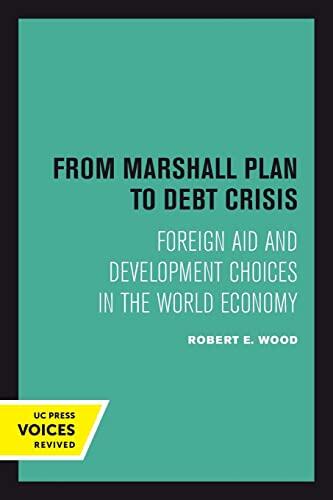
Robert E. Wood delves into the complex trajectory of foreign aid and its implications for development in the global economy. The narrative begins with the Marshall Plan, a pivotal moment in post-World War II Europe, showcasing how aid was structured to foster recovery and growth. Wood provides a detailed analysis of how these initial efforts laid the groundwork for future economic policies and support mechanisms.
As the story unfolds, the author examines the evolution of foreign aid, highlighting the shift from supportive initiatives to the modern challenges of debt crises faced by many developing nations. He scrutinizes the impact of global economic decisions and their ramifications on poorer countries, crafting a detailed account of the choices that shape economic realities. The author's thorough research and insightful critiques offer readers a new perspective on the interplay between international aid and economic development.
Through an engaging and well-researched approach, Wood encourages readers to consider the broader implications of foreign aid. He presents a compelling argument about the necessity for intentional and responsible aid strategies that can sustainably advance development while avoiding the pitfalls of dependency and economic instability.
As the story unfolds, the author examines the evolution of foreign aid, highlighting the shift from supportive initiatives to the modern challenges of debt crises faced by many developing nations. He scrutinizes the impact of global economic decisions and their ramifications on poorer countries, crafting a detailed account of the choices that shape economic realities. The author's thorough research and insightful critiques offer readers a new perspective on the interplay between international aid and economic development.
Through an engaging and well-researched approach, Wood encourages readers to consider the broader implications of foreign aid. He presents a compelling argument about the necessity for intentional and responsible aid strategies that can sustainably advance development while avoiding the pitfalls of dependency and economic instability.