

Descrizione
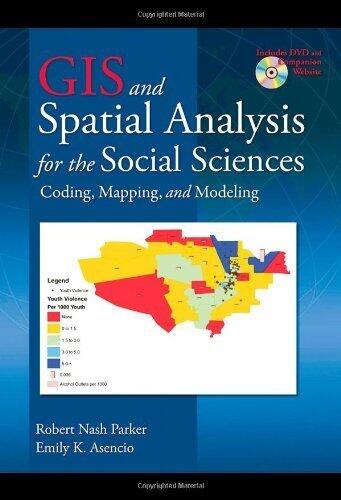
This engaging work delves into the intersection of geography and social sciences, illuminating how Geographic Information Systems (GIS) can enhance our understanding of social patterns and phenomena. The author adeptly introduces readers to the essential coding, mapping, and modeling techniques, making complex concepts accessible even to those new to the field.
Through a combination of theory and practical application, the book provides invaluable insights into spatial analysis and its implications for social research. Readers are encouraged to think critically about the data they encounter and to explore the layers of meaning that geographic context can reveal.
By bridging technical skills with sociological inquiry, this book serves as a vital resource for scholars and students alike, fostering a deeper appreciation for the power of spatial analysis in addressing social issues. Its clear guidance equips readers with the tools they need to navigate and utilize GIS effectively in their research endeavors.
Through a combination of theory and practical application, the book provides invaluable insights into spatial analysis and its implications for social research. Readers are encouraged to think critically about the data they encounter and to explore the layers of meaning that geographic context can reveal.
By bridging technical skills with sociological inquiry, this book serves as a vital resource for scholars and students alike, fostering a deeper appreciation for the power of spatial analysis in addressing social issues. Its clear guidance equips readers with the tools they need to navigate and utilize GIS effectively in their research endeavors.
Dettagli del libro
Formato
Brossura
Lingua
Inglese
Editore
Routledge