

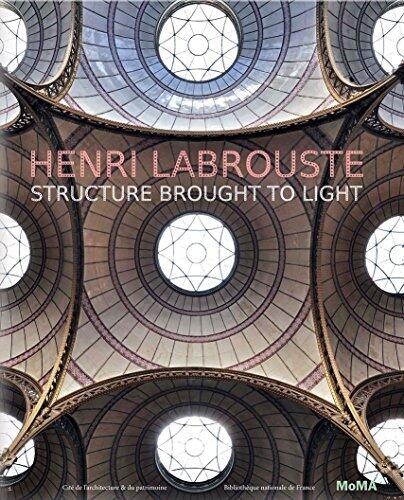
Dettagli del libro
Formato
Copertina rigida
Lingua
Inglese
Pubblicato
Jan 1, 1740
Editore
The Museum of Modern Art, New York
Descrizione
Neil Levine explores the groundbreaking work of Henri Labrouste, a pioneering architect whose innovative designs have left an indelible mark on the landscape of modern architecture. With a keen eye for detail and a commitment to blending functionality with aesthetic beauty, Labrouste's contributions are illuminated through careful analysis and rich imagery. Each chapter unveils the architect's unique approach to structural design, emphasizing the importance of light and space in his work.
Levine delves into Labrouste's most iconic projects, illustrating how they reflect the cultural and technological advancements of their time. The exploration not only covers his architectural achievements but also portrays Labrouste as a visionary who challenged conventions. Through thorough research and thoughtful interpretation, the narrative presents a compelling portrait of an artist deeply engaged with the forces that shape our built environment.
As readers journey through Labrouste's architectural triumphs, they gain insight into the profound connection between structure and illumination. Levine's work invites both scholars and enthusiasts to appreciate the timeless relevance of Labrouste's designs, providing a rich understanding of their significance in the evolution of architecture.
Levine delves into Labrouste's most iconic projects, illustrating how they reflect the cultural and technological advancements of their time. The exploration not only covers his architectural achievements but also portrays Labrouste as a visionary who challenged conventions. Through thorough research and thoughtful interpretation, the narrative presents a compelling portrait of an artist deeply engaged with the forces that shape our built environment.
As readers journey through Labrouste's architectural triumphs, they gain insight into the profound connection between structure and illumination. Levine's work invites both scholars and enthusiasts to appreciate the timeless relevance of Labrouste's designs, providing a rich understanding of their significance in the evolution of architecture.