

Descrizione
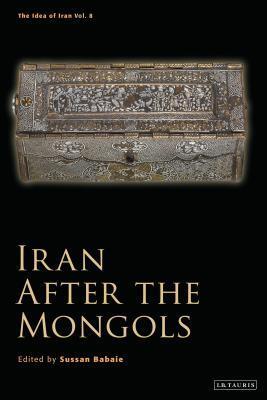
In the aftermath of the Mongol invasion, Iran underwent a profound transformation that reshaped its cultural and political landscape. Sussan Babaie delves into this tumultuous period, exploring how the remnants of the Abbasid caliphate struggled to maintain their influence while facing the challenges of foreign domination and internal strife. The decline of this once-mighty dynasty paved the way for new powers to rise and redefine the region's identity.
Through a meticulous examination of art, architecture, and social structures, Babaie reveals the resilience of Iranian society amid the chaos. The interactions between the Mongols and the local populations fostered a unique blend of traditions and ideas, which would ultimately influence the course of Iranian history. Her insightful analysis offers readers a deeper understanding of how this era set the stage for the development of a cohesive Persian identity in a world marked by fragmentation and upheaval.
Through a meticulous examination of art, architecture, and social structures, Babaie reveals the resilience of Iranian society amid the chaos. The interactions between the Mongols and the local populations fostered a unique blend of traditions and ideas, which would ultimately influence the course of Iranian history. Her insightful analysis offers readers a deeper understanding of how this era set the stage for the development of a cohesive Persian identity in a world marked by fragmentation and upheaval.
Dettagli del libro
Formato
Copertina rigida
Pagine
320 pagine
Lingua
Inglese
Pubblicato
Jun 27, 2019
Editore
I.B. Tauris
ISBN-10
1788315286
ISBN-13
9781788315289