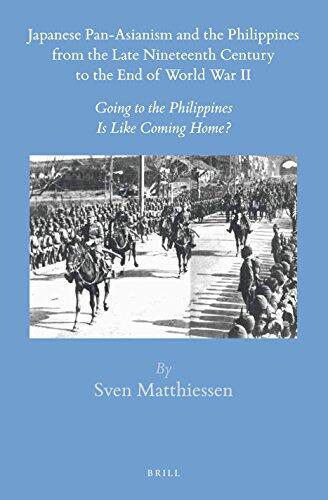
Japanese Pan-Asianism and the Philippines from the Late 19th Century to the End of World War II: Going to the Philippines Is Like Coming Home?
Ancora nessuna valutazione
Action & Adventure
History
Manga
Formato
Copertina rigida
Pagine
247
Lingua
Inglese
Pubblicato
Nov 6, 2015
Editore
Brill Academic Pub
Edizione
Lam
ISBN-10
900430553X
ISBN-13
9789004305533
Descrizione
Sven Matthiessen explores the complex relationship between Japan and the Philippines from the late 19th century through World War II in this insightful study. He delves into the concept of Pan-Asianism, examining how it shaped Japan's foreign policy and its perception of its role in Asia. The author highlights the cultural and political intersections between the two nations, revealing how this connection influenced the aspirations and identities of both the Japanese and Filipinos during a period marked by turbulence and change.
Through meticulous research and analysis, Matthiessen uncovers the motivations behind Japan's expansionist agenda and its impact on Filipino society. He provides a nuanced account of how these historical interactions were both welcomed and resisted, illuminating the dynamics of colonialism and nationalism. The narrative allows readers to grasp the significance of these interactions in the broader context of regional power struggles and the quest for identity in a rapidly evolving world.
Ultimately, the work sheds light on the enduring legacy of Japanese influence in the Philippines and prompts readers to reconsider the complexities of nationalism, cultural exchange, and historical memory. Matthiessen's exploration invites reflection on how past relationships continue to resonate in contemporary international discourse, making this study a valuable contribution to the field of Asian studies.
Through meticulous research and analysis, Matthiessen uncovers the motivations behind Japan's expansionist agenda and its impact on Filipino society. He provides a nuanced account of how these historical interactions were both welcomed and resisted, illuminating the dynamics of colonialism and nationalism. The narrative allows readers to grasp the significance of these interactions in the broader context of regional power struggles and the quest for identity in a rapidly evolving world.
Ultimately, the work sheds light on the enduring legacy of Japanese influence in the Philippines and prompts readers to reconsider the complexities of nationalism, cultural exchange, and historical memory. Matthiessen's exploration invites reflection on how past relationships continue to resonate in contemporary international discourse, making this study a valuable contribution to the field of Asian studies.
Recensioni
Nessuna recensione ancora
Sii il primo a recensire questo libro e condividi i tuoi pensieri
Aggiungi Prima RecensioneRegistro di Lettura
Nessun registro di lettura trovato
Inizia a tracciare i tuoi progressi di lettura per vedere i registri qui
Aggiungi il tuo primo registro di letturaNote
Registro delle transazioni
Nessun registro delle transazioni trovato
Inizia a tracciare le tue transazioni di libri per vedere i registri qui
Aggiungi il tuo primo registro di transazione