Dettagli del libro
Formato
Copertina rigida
Pagine
312
Lingua
Inglese
Pubblicato
May 1, 2010
Editore
University of Arkansas Press
Edizione
Illustrated
ISBN-10
1557289239
ISBN-13
9781557289230
Descrizione
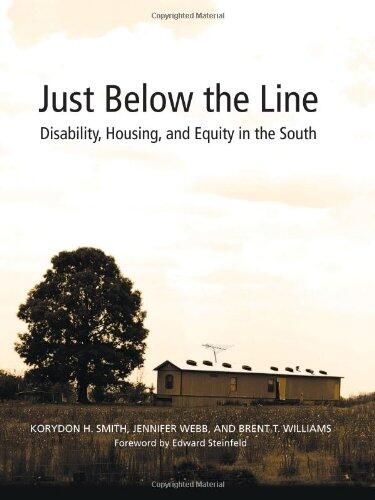
Korydon H. Smith delves into the intricate relationship between disability, housing, and social equity in the Southern United States. This exploration reveals the persistent challenges faced by individuals with disabilities, who often find themselves marginalized not only in society but within the very frameworks that are supposed to protect their rights. Through comprehensive analysis and firsthand accounts, the author highlights systemic barriers that hinder access to adequate housing, showcasing the urgent need for reform.
Smith’s work emphasizes the disparities that arise from a lack of equitable housing policies, while also illustrating the resilience of disabled individuals and their communities. By examining case studies and regional statistics, the narrative paints a vivid picture of the urgent necessity for inclusive practices that recognize the diverse needs of all citizens. Readers are invited to reconsider common perceptions about disability and housing, advocating for a more just approach to urban planning and public policy.
The book ultimately serves as a call to action, urging stakeholders—from policymakers to community advocates—to prioritize equity in housing. It illuminates the unique crossroads where disability rights and affordable housing intersect, pushing for a future where all individuals can thrive together, regardless of their physical or cognitive abilities. Smith's insights invite a transformative dialogue about the importance of inclusivity in shaping livable communities across the South.
Smith’s work emphasizes the disparities that arise from a lack of equitable housing policies, while also illustrating the resilience of disabled individuals and their communities. By examining case studies and regional statistics, the narrative paints a vivid picture of the urgent necessity for inclusive practices that recognize the diverse needs of all citizens. Readers are invited to reconsider common perceptions about disability and housing, advocating for a more just approach to urban planning and public policy.
The book ultimately serves as a call to action, urging stakeholders—from policymakers to community advocates—to prioritize equity in housing. It illuminates the unique crossroads where disability rights and affordable housing intersect, pushing for a future where all individuals can thrive together, regardless of their physical or cognitive abilities. Smith's insights invite a transformative dialogue about the importance of inclusivity in shaping livable communities across the South.
Generi
Storia