

Descrizione
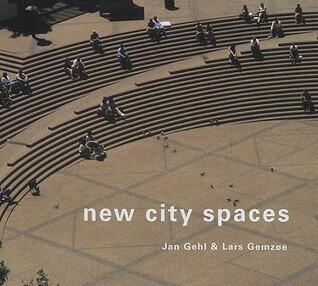
In recent years, the significance of public spaces has emerged at the forefront of urban design and social interaction. This work delves into the evolution of these spaces over the past quarter-century, shedding light on how they have transformed into vibrant areas that foster community and enhance quality of life. The authors explore the intricate relationship between urban environments and the people who inhabit them, emphasizing how well-conceived public spaces can stimulate social engagements and inclusivity.
Through the lens of experienced architects and planners, insights are shared on the principles and practices that make public areas not just functional but inviting and lively. The narrative encourages a reconsideration of urban planning by highlighting case studies and innovative ideas that have successfully turned lifeless areas into flourishing community hubs. By weaving together theory and practice, this exploration serves as both a guide and inspiration for shaping future cities that prioritize human interaction and connectivity.
Through the lens of experienced architects and planners, insights are shared on the principles and practices that make public areas not just functional but inviting and lively. The narrative encourages a reconsideration of urban planning by highlighting case studies and innovative ideas that have successfully turned lifeless areas into flourishing community hubs. By weaving together theory and practice, this exploration serves as both a guide and inspiration for shaping future cities that prioritize human interaction and connectivity.
Dettagli del libro
Formato
Copertina rigida
Pagine
264 pagine
Lingua
Inglese
Pubblicato
Jan 1, 2014
Editore
The Danish Architectural Press
ISBN-10
8774072935
ISBN-13
9788774072935