Dettagli del libro
Formato
Brossura
Pagine
425
Lingua
Inglese
Pubblicato
Nov 6, 2014
Editore
Springer
Edizione
2010
ISBN-10
9400790082
ISBN-13
9789400790087
Descrizione
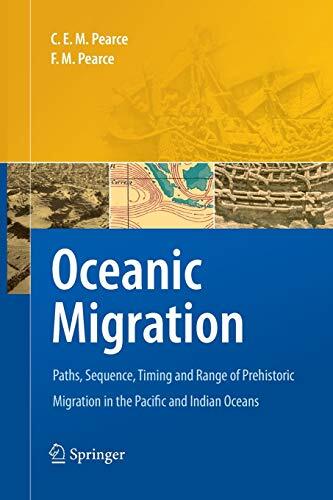
In the expansive realm of oceanic history lies a deep and intricate story of prehistoric migrations across the Pacific and Indian Oceans. The work of Charles E.M. Pearce and F. M. Pearce delves into the fascinating pathways and sequences that ancient peoples traversed, shedding light on the motivations and timing that fueled these monumental journeys. Drawing from a wealth of research, the authors explore how geographical features, environmental factors, and cultural dynamics influenced the range of these migrations and the profound impact on the communities involved.
The narrative unfolds as a tapestry woven with scientific analysis and compelling storytelling, illustrating the connections made across vast bodies of water. The Pearces meticulously document the evidence of human movement, ranging from island hopping to navigating open seas, revealing not only the navigational skills of our ancestors but also their resilience and adaptability. Each chapter resonates with the rhythm of the ocean and the spirit of exploration that drove these early mariners.
As they examine the historical significance of these migrations, the authors illuminate the cultural exchanges and integrations that occurred. Their findings challenge preconceived notions about ancient civilizations and offer a richer understanding of human history, emphasizing the ocean as a connective force rather than a barrier. This work serves as a vital contribution to the study of prehistoric migration, inviting readers to ponder the legacies of those who embraced the call of the sea.
The narrative unfolds as a tapestry woven with scientific analysis and compelling storytelling, illustrating the connections made across vast bodies of water. The Pearces meticulously document the evidence of human movement, ranging from island hopping to navigating open seas, revealing not only the navigational skills of our ancestors but also their resilience and adaptability. Each chapter resonates with the rhythm of the ocean and the spirit of exploration that drove these early mariners.
As they examine the historical significance of these migrations, the authors illuminate the cultural exchanges and integrations that occurred. Their findings challenge preconceived notions about ancient civilizations and offer a richer understanding of human history, emphasizing the ocean as a connective force rather than a barrier. This work serves as a vital contribution to the study of prehistoric migration, inviting readers to ponder the legacies of those who embraced the call of the sea.
Generi
Scienza e Tecnologia
Storia
Salute e Benessere