

Descrizione
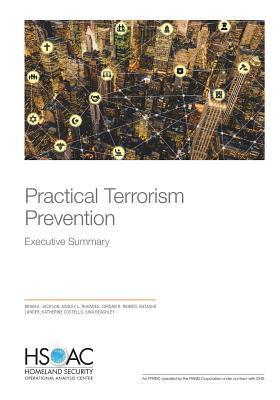
This work delves into the analysis of the United States' strategies in countering violent extremism and preventing terrorism, offering insights from a comprehensive review of past initiatives. The authors, a collective of researchers, assess the effectiveness of various programs and policies aimed at mitigating the threat of terrorism domestically. Through detailed examination, they highlight successes and areas needing improvement, providing a nuanced understanding of what has worked and what hasn't.
As the landscape of terrorism continually evolves, this summary serves as a vital resource for policymakers. By identifying key factors that contribute to successful counter-terrorism efforts, the authors present actionable recommendations that aim to enhance current practices. Their approaches are grounded in research, making a compelling case for evidence-based decision-making in the realm of national security.
The authors also address the need for adaptive strategies that respond to emerging threats, emphasizing the role of community engagement and resilience in prevention efforts. Their findings encourage a shift towards more collaborative frameworks involving various stakeholders in the fight against extremism, ultimately seeking to foster safer communities across the nation. This insightful examination is essential for anyone interested in understanding the complexities of terrorism prevention and the ongoing efforts to safeguard society.
As the landscape of terrorism continually evolves, this summary serves as a vital resource for policymakers. By identifying key factors that contribute to successful counter-terrorism efforts, the authors present actionable recommendations that aim to enhance current practices. Their approaches are grounded in research, making a compelling case for evidence-based decision-making in the realm of national security.
The authors also address the need for adaptive strategies that respond to emerging threats, emphasizing the role of community engagement and resilience in prevention efforts. Their findings encourage a shift towards more collaborative frameworks involving various stakeholders in the fight against extremism, ultimately seeking to foster safer communities across the nation. This insightful examination is essential for anyone interested in understanding the complexities of terrorism prevention and the ongoing efforts to safeguard society.
Dettagli del libro
Formato
Brossura
Pagine
44 pagine
Lingua
Inglese
Pubblicato
Mar 25, 2019
Editore
RAND Corporation
ISBN-10
1977401880
ISBN-13
9781977401885