

Descrizione
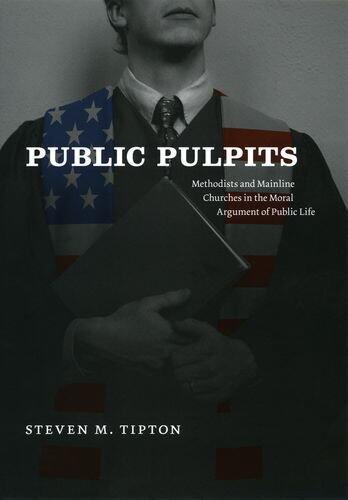
In a compelling exploration of the intersection of faith and public discourse, this work delves into the historical and contemporary roles of Methodists and mainline churches in shaping moral arguments within society. Through a nuanced examination, it reveals how these religious institutions have engaged with pressing social issues, emphasizing their influence on public policy and community values.
The author skillfully illustrates the dynamic relationship between the church and civil society, highlighting instances where faith has provoked critical discussions on ethics and justice. With well-researched insights, readers are invited to consider the ways in which these congregations navigate challenges, advocate for change, and seek relevance in an increasingly secular world.
Ultimately, this narrative serves as both a testament to the enduring power of religious voices in public life and a call to action for contemporary believers to engage actively in the moral fabric of the community. It encourages reflection on how faith can inspire meaningful dialogue and foster a more just society.
The author skillfully illustrates the dynamic relationship between the church and civil society, highlighting instances where faith has provoked critical discussions on ethics and justice. With well-researched insights, readers are invited to consider the ways in which these congregations navigate challenges, advocate for change, and seek relevance in an increasingly secular world.
Ultimately, this narrative serves as both a testament to the enduring power of religious voices in public life and a call to action for contemporary believers to engage actively in the moral fabric of the community. It encourages reflection on how faith can inspire meaningful dialogue and foster a more just society.
Dettagli del libro
Formato
Copertina rigida
Lingua
Inglese
Editore
University of Chicago Press