Descrizione
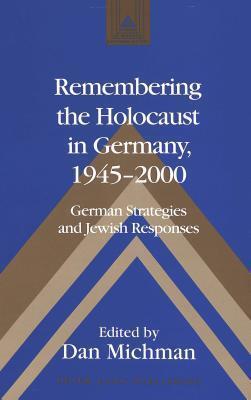
This work explores the complex and evolving relationship between German memory of the Holocaust and Jewish responses from 1945 to 2000. A collective of ten scholars from various nations delves into the various methods employed by Germany to confront its historical atrocities. The book highlights differing perspectives and approaches to remembrance, showcasing how strategies shifted over the decades.
By unearthing both German narratives and Jewish reactions, the authors reveal the intricate dynamics of memory, guilt, and reconciliation. Through diverse analyses, the contributions reflect on the broader implications of Holocaust remembrance for society and discourse in Germany.
Ultimately, this collection not only sheds light on historical memory but also emphasizes the ongoing dialogue regarding identity, healing, and the lessons learned from one of history’s darkest periods. The discussions within offer a nuanced understanding of how both communities engage with the past as they navigate the complexities of remembrance in a modern context.
Dettagli del libro
Formato
Copertina rigida
Pagine
172 pagine
Lingua
Inglese
Pubblicato
giu 17, 2002
Editore
Peter Lang Inc., International Academic Publishers
ISBN-10
082045804X
ISBN-13
9780820458045