

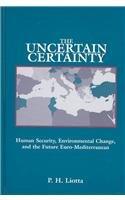
Dettagli del libro
Formato
Copertina rigida
Pagine
192
Lingua
Inglese
Pubblicato
Oct 1, 2003
Editore
Lexington Books
ISBN-10
0739105787
ISBN-13
9780739105788
Descrizione
Amid the growing complexities of global environmental changes and their impact on human safety, P. H. Liotta delves deep into the multifaceted concept of human security in the Euro-Mediterranean region. By examining the intricate interplay between national interests and the welfare of individuals, the narrative uncovers how these two spheres are not only interconnected but also often at odds. Through a series of compelling analyses, the author reveals the boomerang effect that can occur when national security measures inadvertently jeopardize human security.
Liotta's insights shed light on the pressing challenges faced by Mediterranean countries, highlighting how environmental degradation and political instability create a precarious situation for both nations and their citizens. He argues that a narrow focus on national security may lead to longer-term vulnerabilities, calling for a more holistic understanding of what it means to secure a populace in times of crisis.
Throughout the discussion, the author emphasizes the urgency of adopting strategies that prioritize human needs alongside traditional security frameworks. With a keen eye on historical patterns and emerging trends, Liotta encourages policymakers and scholars alike to rethink how security is defined and approached in the region.
As the narrative unfolds, readers are invited to reflect on the crucial role of collaboration and adaptation in forging a sustainable future. By weaving together themes of human rights, environmental stewardship, and geopolitical dynamics, the work presents a thought-provoking exploration of what lies ahead for the Euro-Mediterranean landscape.
Liotta's insights shed light on the pressing challenges faced by Mediterranean countries, highlighting how environmental degradation and political instability create a precarious situation for both nations and their citizens. He argues that a narrow focus on national security may lead to longer-term vulnerabilities, calling for a more holistic understanding of what it means to secure a populace in times of crisis.
Throughout the discussion, the author emphasizes the urgency of adopting strategies that prioritize human needs alongside traditional security frameworks. With a keen eye on historical patterns and emerging trends, Liotta encourages policymakers and scholars alike to rethink how security is defined and approached in the region.
As the narrative unfolds, readers are invited to reflect on the crucial role of collaboration and adaptation in forging a sustainable future. By weaving together themes of human rights, environmental stewardship, and geopolitical dynamics, the work presents a thought-provoking exploration of what lies ahead for the Euro-Mediterranean landscape.