

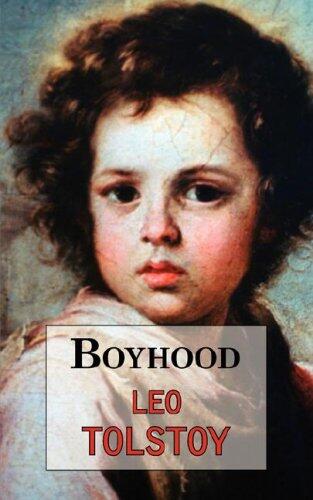
Boyhood: The Second Part of Tolstoy's Autobiographical Work
によって
Leo Tolstoy
まだ評価がありません
形式
ペーパーバック
ページ数
116
言語
英語
公開されました
Mar 14, 2008
出版社
Tark Classic Fiction
ISBN-10
1604501502
ISBN-13
9781604501506
説明
In this captivating continuation of his autobiographical journey, Leo Tolstoy delves deeper into the formative years of his life, revealing the complexities and struggles of boyhood. Through his poignant narrative, he explores themes of innocence, morality, and the fleeting nature of youth, portraying a vivid portrait of a young boy's experiences as he grapples with the expectations of society and family.
Amidst the backdrop of 19th-century Russia, Tolstoy’s reflections illuminate the trials and tribulations that shaped his character. Readers gain insight into his relationships with family and peers, which are marked by both affection and conflict. This intimate account captures the essence of growing up, filled with both joyful moments and profound introspection.
Tolstoy skillfully weaves his observations on nature, spirituality, and education, offering a philosophical lens through which to view the ordinary and extraordinary events of his early years. His keen perception of the world around him resonates with readers, inviting them to reflect on their own childhood experiences.
Ultimately, this work serves not just as a memoir but as a timeless exploration of the human condition, transcending the barriers of time and place to resonate with anyone who has navigated the journey from innocence to understanding. In this reflection on boyhood, Tolstoy lays the groundwork for the philosophical inquiries that would later define his literary legacy.
Amidst the backdrop of 19th-century Russia, Tolstoy’s reflections illuminate the trials and tribulations that shaped his character. Readers gain insight into his relationships with family and peers, which are marked by both affection and conflict. This intimate account captures the essence of growing up, filled with both joyful moments and profound introspection.
Tolstoy skillfully weaves his observations on nature, spirituality, and education, offering a philosophical lens through which to view the ordinary and extraordinary events of his early years. His keen perception of the world around him resonates with readers, inviting them to reflect on their own childhood experiences.
Ultimately, this work serves not just as a memoir but as a timeless exploration of the human condition, transcending the barriers of time and place to resonate with anyone who has navigated the journey from innocence to understanding. In this reflection on boyhood, Tolstoy lays the groundwork for the philosophical inquiries that would later define his literary legacy.