

本の詳細
形式
ハードカバー
ページ数
400
言語
英語
公開されました
Sep 12, 2016
出版社
Harvard University Press
ISBN-10
0674743806
ISBN-13
9780674743809
説明
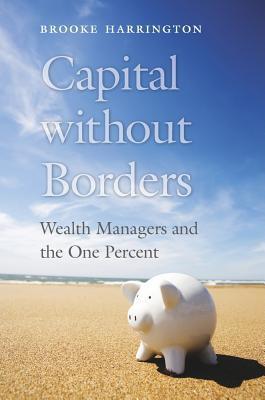
In "Capital Without Borders," Brooke Harrington delves into the intricate world of wealth management among the elite. The book unravels the strategies employed by the one percent to preserve and amplify their fortunes, revealing a tightly-knit network of financial advisors operating in the shadows. Harrington illuminates the mechanisms that allow the affluent to navigate through financial regulations and societal expectations, ensuring their wealth remains untouchable.
The narrative offers an engaging exploration of the socio-economic dynamics that perpetuate inequality. It highlights the role of wealth managers, illustrating how they craft sophisticated strategies that often evade conventional scrutiny. Through well-researched anecdotes and case studies, readers gain insight into the mindset of the ultra-wealthy and the lengths they go to in order to secure their legacies.
Harrington's work not only exposes the often opaque practices of wealth management but also prompts a critical examination of the systemic factors that sustain such disparities. As she peels back the layers of privilege, the reader is left to ponder the implications of a world where capital flows freely across borders while the idea of economic mobility for the many remains increasingly elusive.
The narrative offers an engaging exploration of the socio-economic dynamics that perpetuate inequality. It highlights the role of wealth managers, illustrating how they craft sophisticated strategies that often evade conventional scrutiny. Through well-researched anecdotes and case studies, readers gain insight into the mindset of the ultra-wealthy and the lengths they go to in order to secure their legacies.
Harrington's work not only exposes the often opaque practices of wealth management but also prompts a critical examination of the systemic factors that sustain such disparities. As she peels back the layers of privilege, the reader is left to ponder the implications of a world where capital flows freely across borders while the idea of economic mobility for the many remains increasingly elusive.