

説明
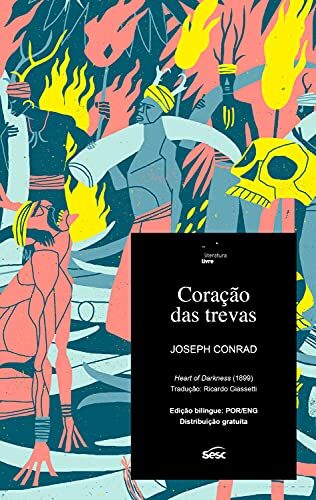
A longa jornada rumo às estações de exploração de marfim da Companhia é regada de relatos sobre Kurtz, o homem mais respeitado dentre os europeus em território virgem. Além de sábio e justo, Kurtz é quem gerencia a maior parcela da produtividade da empresa. Meses se passam até que Marlow finalmente se livre dos ecos e mitos sobre Kurtz e o conheça pessoalmente. O que se vê não é mais um homem civilizado cuja visão é levar o progresso e a ciência aos nativos e criar na África um novo pólo de desenvolvimento, mas alguém que foi completamente transformado pelo inferno verde. A selva consumiu sua civilidade.
Além da opressão dos colonizadores, que subjugam os nativos como animais, jogando com suas vidas, Marlow percebe também que os costumes locais não são tão bárbaros como supunha. A prática do canibalismo, por exemplo, se mostra menos agressiva do que o incentivo dos europeus para que as mãos dos escravos negros sejam amputadas quando não cumprem as metas de produção.
A percepção de Marlow sobre Kurtz implode em determinado momento em um misto de revelação e lógica: a mentalidade católica de que o homem deve domar a natureza é esfacelada pela grandeza da selva e os efeitos físicos e psicológicos que causa aos intrusos despreparados. Como logo no início, quando Marlow ridiculariza um navio francês bombardeando a muralha verde. Os brancos, com seus equipamentos tecnológicos e deturpada civilidade nada podem diante da realidade em que se encontram. Marlow vê mais humanidade nos nativos do que no enaltecido Kurtz.
Assim como atualmente as guerras internacionais passaram a ser travadas nos ambientes digitais, continuam os abusos de civilizações e culturas sobre as outras menos atentas, embora de maneira menos visível. A tomada de territórios e a exploração brutal de seus habitantes permanece intacta no século 21.
本の詳細
ジャンル
レビュー
すべて表示
Conrad's most famous novella is based on his experience as mate on the riverboat Roie des Belges in the Congo in 1890. It is one of the most prominent masterpieces of symbolism in English literature. It represents an attack on imperialism, a parable of moral and ethical growth and decline, and a psychological study all at once.Conrad uses symbolism in his work in order to covey some deep notions and ideas that would have been otherwise too bleak and terrifying if expressed in plain prose. The symbolic journey of Marlow into "that immense heart of darkness" represents, thus, his progress through the African jungle, but also a journey into the deepest depth of the human soul. At the beginning of the story, both Marlow and the reader are enveloped in a thin veil of innocence that is gradually torn apart under the corrupting influence of the characters that meet Marlow on his way.The Congo of Heart of Darkness is a terrifying world ruled by a perverse inverted order of Civilization, which was carried into the depth of Africa with the design of bringing light, education, and advancement. Such was the shiny surface of imperialism. What it hid underneath, however, was the world of horror through which Marlow had journeyed only to be met with greed, cruelty, and insanity. Madness is, therefore, addressed in the novel as the outcome of isolation. Kurtz, by means of illustration, had lost his reason when he was entirely cut from the civilization to which he belonged. The darkness mentioned in the title seems, accordingly, to be an inherent part of every human being; a part that can only surge when we are confronted with the meaninglessness and emptiness of the world.