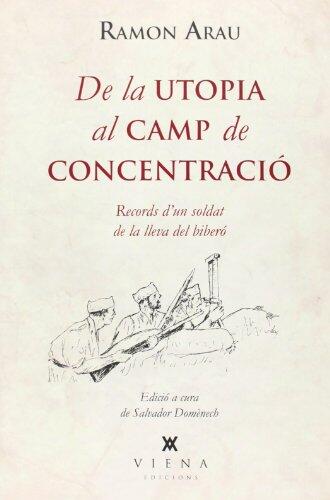
De la utopia al camp de concentració: Records d'un soldat de la lleva del biberó
まだ評価がありません
Action & Adventure
形式
ペーパーバック
ページ数
272
言語
英語
公開されました
Mar 24, 2014
出版社
Viena
版
1
ISBN-10
8483307758
ISBN-13
9788483307755
説明
Ramon Arau i Latre offers a poignant exploration of the harsh realities faced by soldiers during a tumultuous period in history. Through the eyes of a soldier from the "lleva del biberó," the narrative captures the transition from dreams of a hopeful future to the harrowing experiences within a concentration camp.
The author's reflections are imbued with deep personal insights, allowing readers to engage with the emotional and psychological struggles that accompany such dramatic experiences. As the soldier recounts his journey, the themes of loss, resilience, and the quest for identity emerge powerfully, shedding light on the complexities of war and its aftermath.
Through vivid imagery and compelling storytelling, the book paints a stark contrast between the idyllic visions of youth and the grim realities that follow. Arau i Latre's narrative serves as a reminder of the fragility of dreams in the face of overwhelming adversity.
This work stands as a testament to the human spirit's capacity for endurance and the necessity of remembering the past to forge a better future. An evocative read, it invites reflection on the personal and collective histories that shape societies.
The author's reflections are imbued with deep personal insights, allowing readers to engage with the emotional and psychological struggles that accompany such dramatic experiences. As the soldier recounts his journey, the themes of loss, resilience, and the quest for identity emerge powerfully, shedding light on the complexities of war and its aftermath.
Through vivid imagery and compelling storytelling, the book paints a stark contrast between the idyllic visions of youth and the grim realities that follow. Arau i Latre's narrative serves as a reminder of the fragility of dreams in the face of overwhelming adversity.
This work stands as a testament to the human spirit's capacity for endurance and the necessity of remembering the past to forge a better future. An evocative read, it invites reflection on the personal and collective histories that shape societies.