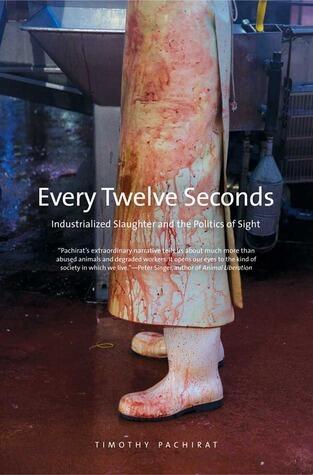
Every Twelve Seconds: Industrialized Slaughter and the Politics of Sight
によって
Timothy Pachirat
まだ評価がありません
形式
ハードカバー
ページ数
320
言語
英語
公開されました
Nov 18, 2011
出版社
Yale University Press
ISBN-10
0300152671
ISBN-13
9780300152678
説明
Timothy Pachirat provides a gripping and unsettling examination of the industrial slaughtering process through his firsthand experiences. By immersing himself in the workings of a modern meatpacking plant, he unveils the stark realities of animal processing that often remain hidden from public view. The narrative is not only a stark portrayal of the mechanics of killing but also a profound commentary on the societal and political implications of such practices.
Pachirat intricately explores the ethical dimensions of animal slaughter, questioning the desensitization that accompanies such an operation. He delves into the emotional and psychological impact on workers and the broader implications for society's relationship with food production. The book urges readers to confront the uncomfortable truths behind their meals and the implications of the choices they make.
The author’s observations challenge the reader to consider the disconnection between humans and the origins of their food, advocating for a deeper awareness of the industrial processes involved. This powerful narrative serves as both a personal account and a call to action, prompting critical reflections on consumption, ethics, and the politics surrounding the unseen aspects of our food systems.
Pachirat intricately explores the ethical dimensions of animal slaughter, questioning the desensitization that accompanies such an operation. He delves into the emotional and psychological impact on workers and the broader implications for society's relationship with food production. The book urges readers to confront the uncomfortable truths behind their meals and the implications of the choices they make.
The author’s observations challenge the reader to consider the disconnection between humans and the origins of their food, advocating for a deeper awareness of the industrial processes involved. This powerful narrative serves as both a personal account and a call to action, prompting critical reflections on consumption, ethics, and the politics surrounding the unseen aspects of our food systems.