Plato's First Interpreters
によって
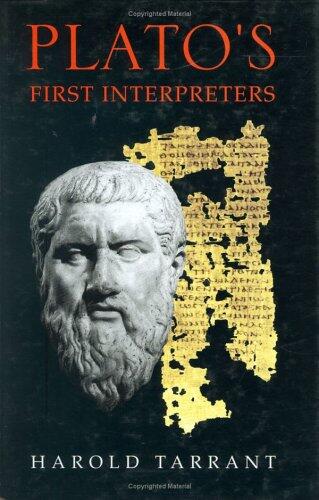
Harold Tarrant
まだ評価がありません
Science & Technology
History
Philosophy
形式
ハードカバー
ページ数
224
言語
英語
公開されました
Jul 7, 2000
出版社
Cornell University Press
版
1
ISBN-10
080143792X
ISBN-13
9780801437922
説明
Harold Tarrant delves into the rich tapestry of philosophical thought that emerged from the interpretations of Plato's writings by ancient philosophers. This exploration sheds light on how these early thinkers navigated the complexities of Plato's ideas, offering insight into their intentions and methodologies. Each interpreter's unique perspective reveals not only their understanding of Plato but also their own philosophical stances, creating a dialogue that spans centuries.
The work highlights the vibrant discourse among intellectuals who sought to decode the layers of meaning in Plato’s dialogues. Tarrant meticulously examines figures who grappled with the concepts of justice, knowledge, and the ideal state, illustrating how their readings shaped the landscape of Western philosophy. This engagement with Plato’s text goes beyond mere analysis; it engages with how these thinkers adapted and responded to his ideas in the context of their own lives and times.
Tarrant also emphasizes the historical significance of these interpretations, showing how they influenced subsequent philosophical traditions. By tracing the evolution of thought that emerged from Plato's works, the author provides a thoughtful commentary on the legacy of his ideas and how they continue to resonate.
Through intellectual rigor and a passion for philosophical inquiry, Tarrant invites readers to appreciate the depth of Plato’s impact and the enduring quest for understanding that his writings inspire. This reflection on ancient interpretations enriches modern philosophical discourse, offering a nuanced appreciation of one of history's most influential thinkers.
The work highlights the vibrant discourse among intellectuals who sought to decode the layers of meaning in Plato’s dialogues. Tarrant meticulously examines figures who grappled with the concepts of justice, knowledge, and the ideal state, illustrating how their readings shaped the landscape of Western philosophy. This engagement with Plato’s text goes beyond mere analysis; it engages with how these thinkers adapted and responded to his ideas in the context of their own lives and times.
Tarrant also emphasizes the historical significance of these interpretations, showing how they influenced subsequent philosophical traditions. By tracing the evolution of thought that emerged from Plato's works, the author provides a thoughtful commentary on the legacy of his ideas and how they continue to resonate.
Through intellectual rigor and a passion for philosophical inquiry, Tarrant invites readers to appreciate the depth of Plato’s impact and the enduring quest for understanding that his writings inspire. This reflection on ancient interpretations enriches modern philosophical discourse, offering a nuanced appreciation of one of history's most influential thinkers.