本の詳細
形式
キンドル
ページ数
253
言語
英語
公開されました
Jan 1, 2020
出版社
MIT Press
版
2
ISBN-10
0262360667
ISBN-13
9780262360661
説明
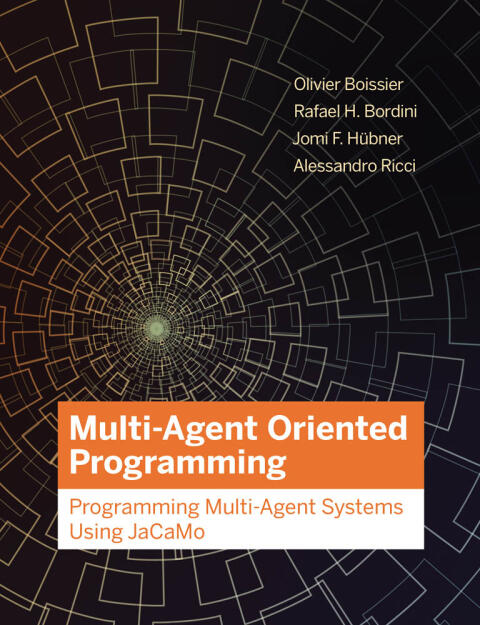
This work delves into the rapidly evolving field of multi-agent systems, showcasing the innovative approach of multi-agent oriented programming. The authors, experts in the domain, present a comprehensive examination of the principles and methodologies that underpin the design, implementation, and operation of these complex systems. By focusing on JaCaMo, a framework designed to facilitate multi-agent programming, they provide readers with valuable insights into effective practices and strategies.
The exploration begins with foundational concepts, ensuring that readers gain a clear understanding of multi-agent systems and their significance in modern computing environments. Throughout the text, the authors blend theoretical knowledge with practical applications, making it accessible to both beginners and seasoned practitioners. Numerous examples and case studies illustrate how multi-agent systems can be utilized across diverse domains, from robotics to social simulations.
Readers will find that the discussions around coordination, negotiation, and communication among agents are particularly enlightening. The authors highlight the intricacies of agent interaction and the challenges developers face when creating scalable, efficient systems. By emphasizing the role of design patterns and architectural considerations, the work serves as both a guide and a reference for anyone interested in this specialized area.
Ultimately, the book stands as a key resource for researchers and developers alike, fostering a deeper appreciation and understanding of multi-agent oriented programming. Its contributions are essential for those looking to harness the potential of agents in autonomous systems, paving the way for innovation in intelligent robotics and beyond.
The exploration begins with foundational concepts, ensuring that readers gain a clear understanding of multi-agent systems and their significance in modern computing environments. Throughout the text, the authors blend theoretical knowledge with practical applications, making it accessible to both beginners and seasoned practitioners. Numerous examples and case studies illustrate how multi-agent systems can be utilized across diverse domains, from robotics to social simulations.
Readers will find that the discussions around coordination, negotiation, and communication among agents are particularly enlightening. The authors highlight the intricacies of agent interaction and the challenges developers face when creating scalable, efficient systems. By emphasizing the role of design patterns and architectural considerations, the work serves as both a guide and a reference for anyone interested in this specialized area.
Ultimately, the book stands as a key resource for researchers and developers alike, fostering a deeper appreciation and understanding of multi-agent oriented programming. Its contributions are essential for those looking to harness the potential of agents in autonomous systems, paving the way for innovation in intelligent robotics and beyond.
ジャンル
科学&技術