

説明
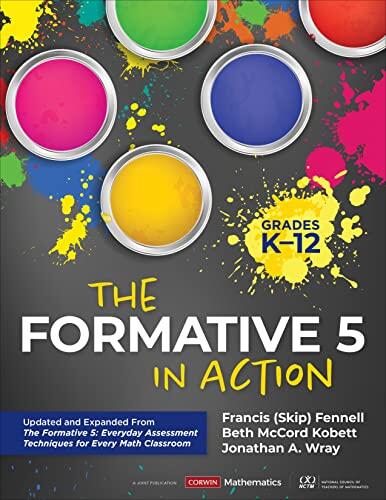
In a rapidly evolving educational landscape, effective assessment strategies are more crucial than ever. This guide, centered around the formative assessment techniques, offers educators a comprehensive approach tailored to various grade levels from kindergarten through twelfth grade. It emphasizes the importance of continuous feedback and reflection in the learning process, helping teachers to adapt their methods to meet the diverse needs of their students.
The authors, seasoned professionals in mathematics education, delve into practical applications of their formative techniques. They provide clear insights and actionable strategies, making it easier for educators to integrate these approaches into their daily instruction. By focusing on everyday assessment methods, they empower teachers to monitor student progress in real-time while fostering a classroom environment that values growth and improvement.
Readers will find expanded discussions on critical concepts and updated research that reinforces the effectiveness of the formative assessment model. Each chapter encourages teachers to reflect on their practices and collaborate with peers to enhance their skills. By embracing these formative strategies, educators can cultivate a more interactive and responsive learning atmosphere.
Ultimately, this volume serves as a vital resource for educators committed to elevating their teaching practices through meaningful assessments. The intended outcome is not just improved student performance, but also a transformative shift in how assessment is perceived within the realm of mathematics education.
The authors, seasoned professionals in mathematics education, delve into practical applications of their formative techniques. They provide clear insights and actionable strategies, making it easier for educators to integrate these approaches into their daily instruction. By focusing on everyday assessment methods, they empower teachers to monitor student progress in real-time while fostering a classroom environment that values growth and improvement.
Readers will find expanded discussions on critical concepts and updated research that reinforces the effectiveness of the formative assessment model. Each chapter encourages teachers to reflect on their practices and collaborate with peers to enhance their skills. By embracing these formative strategies, educators can cultivate a more interactive and responsive learning atmosphere.
Ultimately, this volume serves as a vital resource for educators committed to elevating their teaching practices through meaningful assessments. The intended outcome is not just improved student performance, but also a transformative shift in how assessment is perceived within the realm of mathematics education.
本の詳細
形式
スパイラルバインド
ページ数
216ページ
言語
英語
公開されました
Jul 19, 2023
出版社
Corwin
版
1
版
3 版
ISBN-10
1071910558
ISBN-13
9781071910559