설명
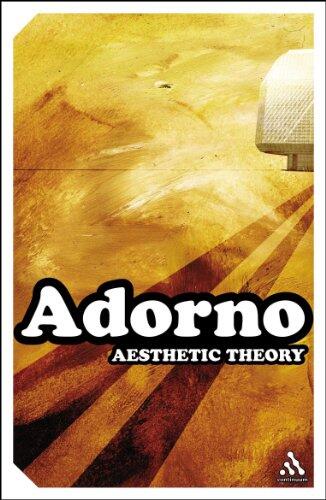
Theodor W. Adorno's exploration into aesthetic theory delves deep into the relationship between art, culture, and society. Through a critical lens, he examines how aesthetics shape and are shaped by social dynamics, inviting readers to engage with fundamental questions about the value of art in a modern context. Adorno’s intricate arguments reveal the interplay between culture and politics, highlighting the often implicit ways in which art reflects and critiques societal norms.
His analysis is marked by a profound understanding of how aesthetic forms possess the power to challenge prevailing ideologies. By articulating the connections between beauty, art, and ethics, Adorno encourages readers to reconsider their perceptions of art's role in human experience and its influence on consciousness.
The work also emphasizes the importance of critical thinking in the appreciation and understanding of aesthetics. Adorno’s philosophical insights push for an engagement that goes beyond surface-level interpretations, urging a deeper contemplation of the cultural artifacts that shape our realities.
Ultimately, the text serves as a call to re-evaluate the boundaries of aesthetics, challenging the reader to confront art as a vital force in the ongoing dialogue about humanity and existence. Adorno’s unique perspective fosters a rich discourse that remains relevant in discussions of art and its impact within contemporary culture.
His analysis is marked by a profound understanding of how aesthetic forms possess the power to challenge prevailing ideologies. By articulating the connections between beauty, art, and ethics, Adorno encourages readers to reconsider their perceptions of art's role in human experience and its influence on consciousness.
The work also emphasizes the importance of critical thinking in the appreciation and understanding of aesthetics. Adorno’s philosophical insights push for an engagement that goes beyond surface-level interpretations, urging a deeper contemplation of the cultural artifacts that shape our realities.
Ultimately, the text serves as a call to re-evaluate the boundaries of aesthetics, challenging the reader to confront art as a vital force in the ongoing dialogue about humanity and existence. Adorno’s unique perspective fosters a rich discourse that remains relevant in discussions of art and its impact within contemporary culture.
책 세부 정보
형식
페이퍼백
페이지
416 페이지
언어
영어
출판됨
Dec 14, 2004
출판사
Bloomsbury Academic
판본
판본 7개
ISBN-10
0826476910
ISBN-13
9780826476913