

설명
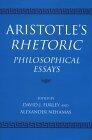
The exploration of Aristotle's concepts of rhetoric provides a deep insight into the art of persuasive communication. The authors delve into how Aristotle perceived rhetoric not merely as a skill, but as an essential component of philosophical discourse. Through thorough analysis, they navigate Aristotle's arguments on ethos, pathos, and logos, illuminating how these elements shape effective persuasion.
Furley and Nehamas also engage with Aristotle's historical context and influence on subsequent thinkers. Their examination reveals the tension between rhetoric and truth in philosophical practice, echoing Plato's concerns while showcasing Aristotle's more nuanced approach. This work serves as both an introduction and a critical lens through which to understand rhetoric's vital role in shaping ideas and debates throughout history.
Furley and Nehamas also engage with Aristotle's historical context and influence on subsequent thinkers. Their examination reveals the tension between rhetoric and truth in philosophical practice, echoing Plato's concerns while showcasing Aristotle's more nuanced approach. This work serves as both an introduction and a critical lens through which to understand rhetoric's vital role in shaping ideas and debates throughout history.
책 세부 정보
형식
하드커버
페이지
344 페이지
언어
영어
출판됨
Jul 5, 1994
출판사
Princeton University Press
ISBN-10
0691032327
ISBN-13
9780691032320
장르들
과학 & 기술
철학
예술 및 사진