

설명
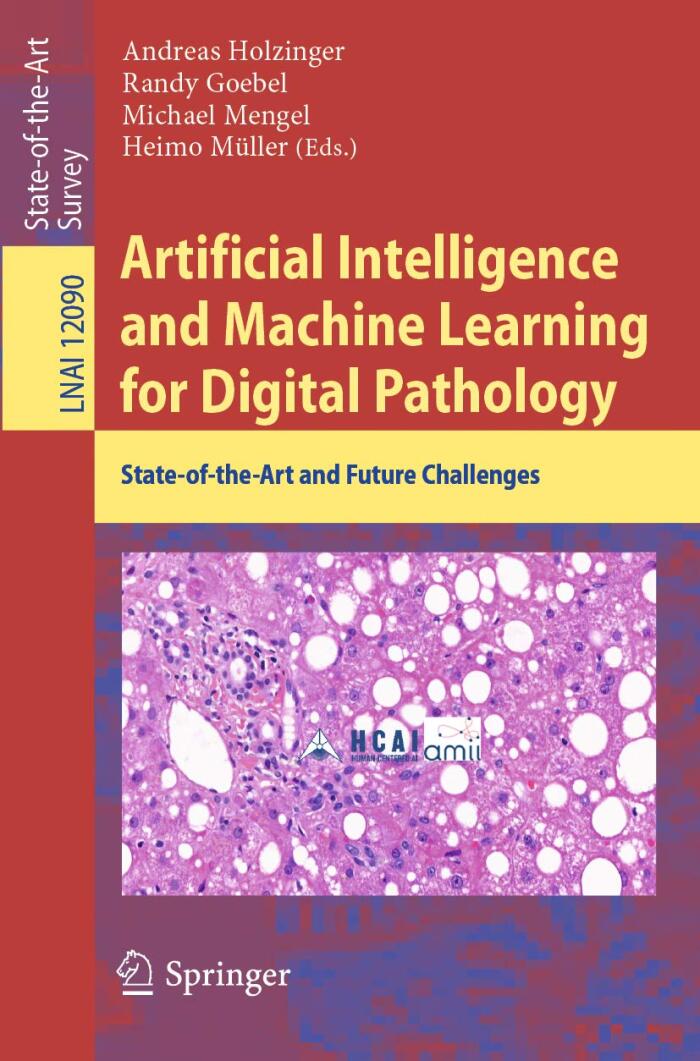
This work explores the transformative intersection of artificial intelligence and machine learning within the realm of digital pathology. The authors delve into the state-of-the-art technologies that are reshaping diagnostic processes, enhancing accuracy, and increasing efficiency in pathology and radiology practices. By presenting comprehensive insights and methodologies, they shed light on the potential of AI and ML to analyze complex data sets that are pivotal in medical imaging.
The authors also address the challenges that come with integrating these advanced technologies into clinical settings. They discuss the hurdles related to data quality, model interpretability, and the need for interdisciplinary collaboration, emphasizing the importance of a thorough understanding of AI frameworks among healthcare professionals. Through a well-rounded approach, they highlight future directions in research and the potential implications for patient care.
With contributions from leading experts, this volume serves as an essential resource for researchers, practitioners, and students interested in the innovative applications of AI and ML in health sciences. It not only discusses current advancements but also encourages a forward-thinking perspective on how digital pathology can evolve in the coming years.
The authors also address the challenges that come with integrating these advanced technologies into clinical settings. They discuss the hurdles related to data quality, model interpretability, and the need for interdisciplinary collaboration, emphasizing the importance of a thorough understanding of AI frameworks among healthcare professionals. Through a well-rounded approach, they highlight future directions in research and the potential implications for patient care.
With contributions from leading experts, this volume serves as an essential resource for researchers, practitioners, and students interested in the innovative applications of AI and ML in health sciences. It not only discusses current advancements but also encourages a forward-thinking perspective on how digital pathology can evolve in the coming years.
책 세부 정보
형식
킨들
페이지
623 페이지
언어
영어
출판됨
Jun 24, 2020
출판사
Springer
ISBN-10
3030504026
ISBN-13
9783030504021