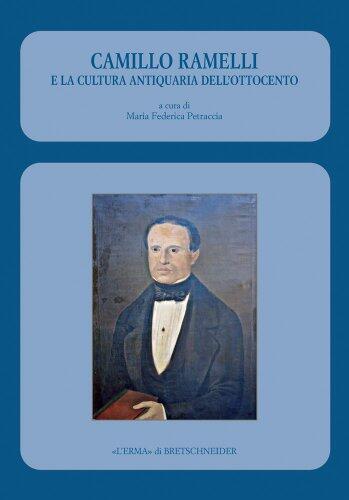
Camillo Ramelli e la cultura antiquaria dell'ottocento
작성자
M Federica Petraccia
아직 평점이 없습니다
Biography
History
형식
하드커버
페이지
160
언어
이탈리아어
출판됨
Dec 31, 2006
출판사
L'Erma di Bretschneider
ISBN-10
8882654184
ISBN-13
9788882654184
설명
Camillo Ramelli emerges as a fascinating figure at the intersection of antiquarian studies and 19th-century culture. His life and work are explored within the context of a rapidly evolving intellectual landscape, marked by a resurgence of interest in classical antiquity. Through meticulous research, the author brings to light Ramelli’s contributions to the field, highlighting his unique perspective shaped by the cultural movements of his time.
The work delves into the methodologies and influences that defined Ramelli's approach to antiquarianism. It examines not only his scholarly pursuits but also the broader implications of his findings for contemporary understandings of history and heritage. The book situates Ramelli within a network of intellectuals and institutions that were pivotal in fostering a renewed appreciation for ancient cultures during the 1800s.
Readers are invited to explore the nuances of Ramelli's legacy, gaining insights into how his legacy resonates through modern scholarship. The investigation sheds light on the challenges and triumphs faced by Ramelli and his contemporaries, ultimately painting a rich portrait of an era dedicated to uncovering and preserving the past.
Through the lens of Ramelli’s life, this examination offers a thought-provoking look at the interplay between antiquarian scholarship and the artistic and cultural movements of the 19th century, revealing the dynamic nature of this historical narrative.
The work delves into the methodologies and influences that defined Ramelli's approach to antiquarianism. It examines not only his scholarly pursuits but also the broader implications of his findings for contemporary understandings of history and heritage. The book situates Ramelli within a network of intellectuals and institutions that were pivotal in fostering a renewed appreciation for ancient cultures during the 1800s.
Readers are invited to explore the nuances of Ramelli's legacy, gaining insights into how his legacy resonates through modern scholarship. The investigation sheds light on the challenges and triumphs faced by Ramelli and his contemporaries, ultimately painting a rich portrait of an era dedicated to uncovering and preserving the past.
Through the lens of Ramelli’s life, this examination offers a thought-provoking look at the interplay between antiquarian scholarship and the artistic and cultural movements of the 19th century, revealing the dynamic nature of this historical narrative.