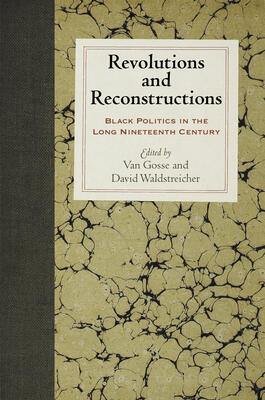
설명
Mark J. Miller explores the complex theme of abjection in early American society from the seventeenth to the mid-nineteenth century. By delving into the historical dynamics of power, social hierarchies, and personal identities, he unveils how the concept of abjection shaped individuals and communities in America during this transformative period. Through a meticulous examination of cultural practices, societal norms, and historical events, Miller reveals the nuanced ways in which abjection influenced the formation of American identity and social relations.
The author weaves together a tapestry of voices, experiences, and perspectives, offering insights into how marginalized individuals navigated a landscape of exclusion and societal rejection. This exploration not only sheds light on the societal implications of abjection but also invites readers to reflect on the ongoing reverberations of these historical narratives in contemporary America. Miller's work is both thought-provoking and essential for understanding the roots of social dynamics in early American history.
The author weaves together a tapestry of voices, experiences, and perspectives, offering insights into how marginalized individuals navigated a landscape of exclusion and societal rejection. This exploration not only sheds light on the societal implications of abjection but also invites readers to reflect on the ongoing reverberations of these historical narratives in contemporary America. Miller's work is both thought-provoking and essential for understanding the roots of social dynamics in early American history.
책 세부 정보
형식
하드커버
페이지
240 페이지
언어
영어
출판됨
4월 15, 2016
출판사
University of Pennsylvania Press
판본
판본 2개
ISBN-10
0812248023
ISBN-13
9780812248029