

책 세부 정보
형식
페이퍼백
페이지
344
언어
영어
출판됨
Jul 23, 2009
출판사
Cambridge University Press
ISBN-10
0521448670
ISBN-13
9780521448673
설명
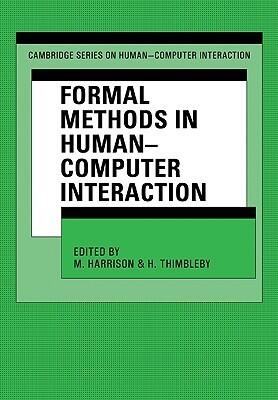
In the realm of human-computer interaction, the exploration of formal methods unveils a structured approach to understanding user dynamics and interface design. The authors, Michael D. Harrison and Harold Thimbleby, provide insights that bridge technical rigor with real-world applications, detailing how these methodologies enhance the usability of systems. By delving into the principles established in the early 1990s, they lay a foundation for the evolution of technology towards more user-centric designs.
As the narrative unfolds, the complexities of user interaction are examined through a formal lens, emphasizing the importance of precision and clarity in design. The book articulates how formal methods can address common pitfalls in interface development, offering solutions that ensure both functionality and accessibility. Through a blend of theory and practical examples, the authors illustrate the transformative potential of these techniques.
Ultimately, this work serves as a vital resource for researchers and practitioners in the field, championing the integration of formal methods into the fabric of human-computer interaction. Its impact resonates in contemporary discourse, challenging the industry to continually refine and adapt the ways in which users engage with technology.
As the narrative unfolds, the complexities of user interaction are examined through a formal lens, emphasizing the importance of precision and clarity in design. The book articulates how formal methods can address common pitfalls in interface development, offering solutions that ensure both functionality and accessibility. Through a blend of theory and practical examples, the authors illustrate the transformative potential of these techniques.
Ultimately, this work serves as a vital resource for researchers and practitioners in the field, championing the integration of formal methods into the fabric of human-computer interaction. Its impact resonates in contemporary discourse, challenging the industry to continually refine and adapt the ways in which users engage with technology.