

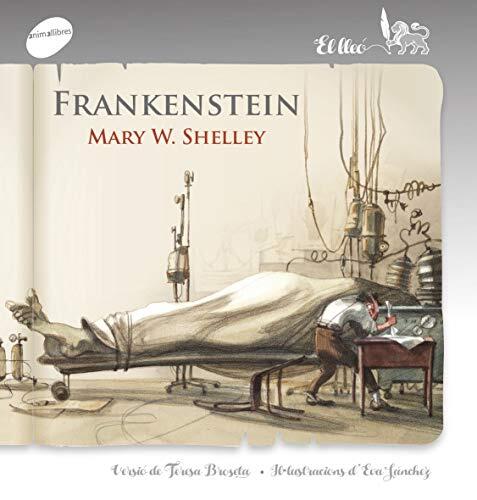
설명
Mary W. Shelley's classic tale weaves a haunting narrative of ambition, creation, and the consequences of playing god. Set against the backdrop of the late 18th century, the story follows Victor Frankenstein, a young scientist consumed by his drive to unlock the secrets of life. In his quest, he births a creature, a being stitched together from the remains of the dead. Rather than achieving glory, Victor is horrified by his creation, leading to a profound exploration of isolation and despair.
As the creature grapples with its existence and yearns for acceptance, the narrative delves into themes of humanity, rejection, and the desire for companionship. Shelley's work provokes deep philosophical questions about the nature of life and the responsibilities tied to creation. Through vivid imagery and emotional depth, her writing invites readers to explore the fine line between genius and madness, ultimately revealing the profound impact of alienation and the search for identity.
As the creature grapples with its existence and yearns for acceptance, the narrative delves into themes of humanity, rejection, and the desire for companionship. Shelley's work provokes deep philosophical questions about the nature of life and the responsibilities tied to creation. Through vivid imagery and emotional depth, her writing invites readers to explore the fine line between genius and madness, ultimately revealing the profound impact of alienation and the search for identity.
책 세부 정보
형식
페이퍼백
페이지
24 페이지
언어
영어
출판됨
11월 1, 2016
출판사
Animallibres, S.L.
판
1
판본
판본 1617개
ISBN-10
8415975953
ISBN-13
9788415975953
장르들
리뷰
모두 보기

É impressionante pensar que este romance foi escrito por uma jovem de apenas dezoito anos. Shelley utiliza o horror não para assustar, mas para discutir responsabilidade, ambição e solidão. O verdadeiro monstro nunca é apenas a criatura, mas também o homem incapaz de assumir as consequências de seus próprios atos. A escrita mantém um tom melancólico que acompanha toda a narrativa, fazendo do livro muito mais uma tragédia do que uma história de terror. É um clássico que continua relevante sempre que a ciência avança mais rápido do que a ética.
August 2nd 2026

The tragedy of the monster and the wretchedness of the man.
July 18th 2026