

설명
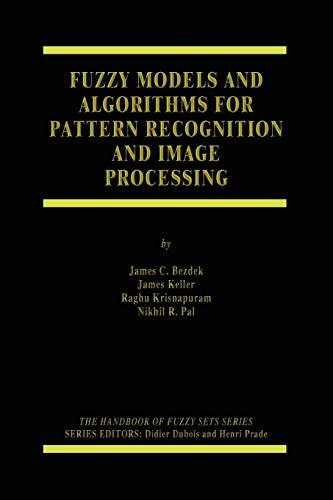
Focused on the intricate world of fuzzy models and algorithms, this book serves as an essential resource for both researchers and practitioners in the fields of pattern recognition and image processing. The authors, renowned experts in their respective disciplines, delve into a variety of advanced techniques that integrate fuzzy logic with machine learning and computer vision. This integration aids in addressing the inherent uncertainties of real-world data, enabling more robust and adaptable systems.
Through a series of detailed chapters, the text offers thorough explorations of various algorithms, emphasizing practical applications in areas such as biomedical imaging, surveillance, and remote sensing. Readers will find a balanced mix of theory and practical examples that elucidate how fuzzy systems can be effectively applied to enhance image analysis and pattern recognition tasks.
The book retains a pedagogical tone, making complex concepts accessible without sacrificing depth. Each section builds on the previous discussions, guiding readers towards a holistic understanding of how fuzzy models can transform the landscape of artificial intelligence.
By the end, readers are equipped not only with the theoretical foundations and algorithmic strategies but also with innovative ideas for future research and application. The collaborative efforts of the authors ensure that the text remains a pivotal contribution to ongoing discussions in fuzzy logic and its myriad applications in technology and science.
Through a series of detailed chapters, the text offers thorough explorations of various algorithms, emphasizing practical applications in areas such as biomedical imaging, surveillance, and remote sensing. Readers will find a balanced mix of theory and practical examples that elucidate how fuzzy systems can be effectively applied to enhance image analysis and pattern recognition tasks.
The book retains a pedagogical tone, making complex concepts accessible without sacrificing depth. Each section builds on the previous discussions, guiding readers towards a holistic understanding of how fuzzy models can transform the landscape of artificial intelligence.
By the end, readers are equipped not only with the theoretical foundations and algorithmic strategies but also with innovative ideas for future research and application. The collaborative efforts of the authors ensure that the text remains a pivotal contribution to ongoing discussions in fuzzy logic and its myriad applications in technology and science.
책 세부 정보
형식
페이퍼백
페이지
792 페이지
언어
영어
출판됨
3월 25, 2005
출판사
Springer
판
1999
판본
판본 2개
ISBN-10
0387245154
ISBN-13
9780387245157