

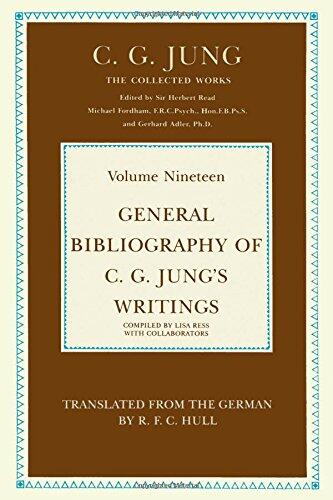
General Bibliography of C.G. Jung's Writings
작성자
C.G. Jung
아직 평점이 없습니다
Manga
Psychology
형식
하드커버
페이지
284
언어
영어
출판됨
Jun 21, 1979
출판사
Routledge
ISBN-10
0415045584
ISBN-13
9780415045582
설명
C.G. Jung, a pioneering figure in psychology, delves into a vast array of themes that span across the human psyche, culture, and spirituality. His collected works offer an in-depth exploration of the intricate relationship between the conscious and unconscious mind, inviting readers to reflect on their own personal experiences. Jung's approach to understanding the complexities of human behavior integrates a rich tapestry of mythology, religion, and philosophy, providing a profound insight into the nature of existence.
Through a meticulous collection of writings, readers are introduced to concepts such as archetypes, the collective unconscious, and the process of individuation. Jung's ability to distill heavy psychological ideas into relatable terms allows individuals from various backgrounds to engage with his theories. His explorations highlight the significance of dreams and symbols, emboldening readers to embrace their inner worlds and confront their personal narratives.
The bibliography acts as a valuable resource for scholars, students, and enthusiasts of psychology, offering comprehensive access to Jung’s extensive contributions. It serves as a roadmap, guiding readers through his writings, from foundational texts to later explorations that reflect the evolution of his thought. Readers can trace Jung's intellectual journey, discovering how his ideas shaped modern psychology and influenced various fields beyond.
As readers navigate through his works, they may uncover profound truths about themselves and their connections to the broader human experience. Jung's legacy is not just in the theories he proposed but in the encouragement to question, explore, and understand the depths of one’s psyche, making his writings timeless in their relevance and impact.
Through a meticulous collection of writings, readers are introduced to concepts such as archetypes, the collective unconscious, and the process of individuation. Jung's ability to distill heavy psychological ideas into relatable terms allows individuals from various backgrounds to engage with his theories. His explorations highlight the significance of dreams and symbols, emboldening readers to embrace their inner worlds and confront their personal narratives.
The bibliography acts as a valuable resource for scholars, students, and enthusiasts of psychology, offering comprehensive access to Jung’s extensive contributions. It serves as a roadmap, guiding readers through his writings, from foundational texts to later explorations that reflect the evolution of his thought. Readers can trace Jung's intellectual journey, discovering how his ideas shaped modern psychology and influenced various fields beyond.
As readers navigate through his works, they may uncover profound truths about themselves and their connections to the broader human experience. Jung's legacy is not just in the theories he proposed but in the encouragement to question, explore, and understand the depths of one’s psyche, making his writings timeless in their relevance and impact.