

책 세부 정보
형식
페이퍼백
페이지
246
언어
영어
출판됨
Aug 15, 2006
출판사
A K Peters/CRC Press
판
1
ISBN-10
1568813503
ISBN-13
9781568813509
설명
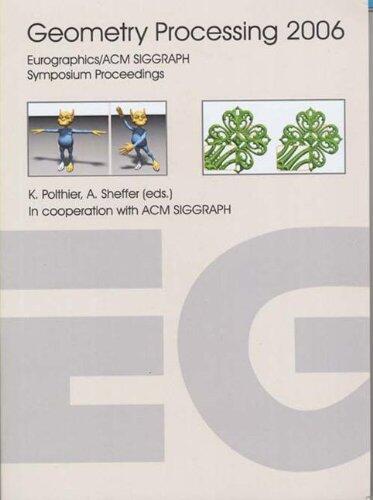
In the specialized field of geometry processing, a prominent work emerges from the insights of K. Polthier and other contributors, shedding light on the significant advancements made in the realm of computer graphics and geometric modeling. This collection captures the essence of contemporary research and methodologies that shape the understanding and manipulation of geometric forms.
The authors delve into complex algorithms and theoretical frameworks, providing a thorough examination of various techniques that allow for effective processing of geometric data. Their collaborative exploration ranges from mesh generation to optimization, revealing the nuanced applications in both industrial and visual contexts.
Readers are treated to a blend of academic rigor and practical insight, making the content accessible to both seasoned researchers and newcomers eager to grasp the intricacies of the discipline. The dialogue initiated by this work continues to stimulate exploration and innovation within the vital area of geometry processing, influencing future directions and applications.
Overall, the text is a significant contribution to the field, reflecting the ongoing evolution of geometric understanding in the ever-expanding digital landscape. It serves as a resourceful guide for those looking to deepen their knowledge and expand their skills in geometry processing.
The authors delve into complex algorithms and theoretical frameworks, providing a thorough examination of various techniques that allow for effective processing of geometric data. Their collaborative exploration ranges from mesh generation to optimization, revealing the nuanced applications in both industrial and visual contexts.
Readers are treated to a blend of academic rigor and practical insight, making the content accessible to both seasoned researchers and newcomers eager to grasp the intricacies of the discipline. The dialogue initiated by this work continues to stimulate exploration and innovation within the vital area of geometry processing, influencing future directions and applications.
Overall, the text is a significant contribution to the field, reflecting the ongoing evolution of geometric understanding in the ever-expanding digital landscape. It serves as a resourceful guide for those looking to deepen their knowledge and expand their skills in geometry processing.