

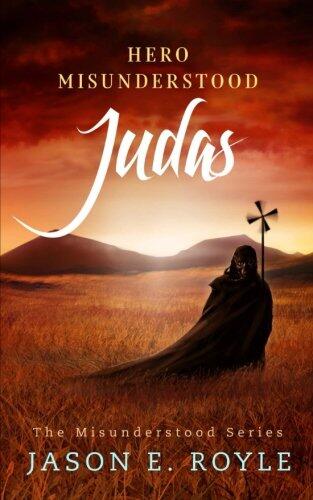
Judas: Hero Misunderstood
작성자
Jason E. Royle
아직 평점이 없습니다
형식
페이퍼백
페이지
67
언어
영어
출판됨
Aug 17, 2014
출판사
CreateSpace Independent Publishing Platform
판
1
ISBN-10
1506037429
ISBN-13
9781506037424
설명
In a thought-provoking exploration of one of history's most infamous figures, a new perspective on Judas Iscariot emerges. This narrative challenges the traditional portrayals of Judas as a mere villain, inviting readers to reconsider the motivations and complexities underlying his infamous betrayal. The author delves deep into the cultural and religious contexts of the time, suggesting that Judas's actions may have been driven by a deeper purpose, one that transcends mere greed or treachery.
Through a rich tapestry of historical analysis and vivid storytelling, the reader is taken on a journey that juxtaposes Judas's life with the prevailing themes of loyalty, sacrifice, and destiny. The narrative raises profound questions about fate and free will, prompting reflections on how personal choices can shape the fabric of existence.
Royle skillfully unveils the multifaceted nature of Judas, painting him not just as a disloyal disciple but as a complex character caught in a web of expectations and turmoil. The exploration of his motivations reveals a figure who, in his moment of betrayal, may have seen himself as a crucial part of a larger divine narrative.
Ultimately, this re-examination of Judas Iscariot serves not only as a historical inquiry but also as an invitation to contemplate themes of redemption, consciousness, and the misunderstood nature of heroism itself. Readers are left pondering the significance of Judas’s role in the grand tapestry of faith, morality, and human experience.
Through a rich tapestry of historical analysis and vivid storytelling, the reader is taken on a journey that juxtaposes Judas's life with the prevailing themes of loyalty, sacrifice, and destiny. The narrative raises profound questions about fate and free will, prompting reflections on how personal choices can shape the fabric of existence.
Royle skillfully unveils the multifaceted nature of Judas, painting him not just as a disloyal disciple but as a complex character caught in a web of expectations and turmoil. The exploration of his motivations reveals a figure who, in his moment of betrayal, may have seen himself as a crucial part of a larger divine narrative.
Ultimately, this re-examination of Judas Iscariot serves not only as a historical inquiry but also as an invitation to contemplate themes of redemption, consciousness, and the misunderstood nature of heroism itself. Readers are left pondering the significance of Judas’s role in the grand tapestry of faith, morality, and human experience.