

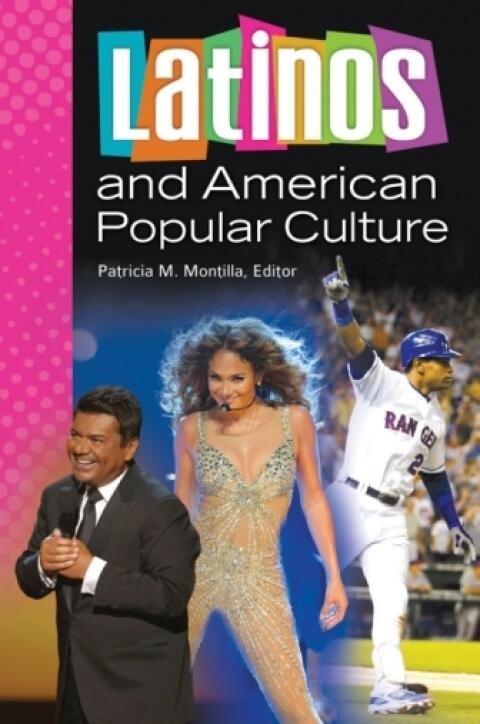
Latinos and American Popular Culture
아직 평점이 없습니다
형식
킨들
페이지
494
언어
영어
출판됨
Jan 1, 2013
출판사
Praeger
판
2
ISBN-10
0313392234
ISBN-13
9780313392238
설명
This engaging exploration delves into the vibrant tapestry of contributions that U.S. Latinos have made to American popular culture. The author meticulously examines how their artistic expressions, narratives, and cultural influences have shaped and enriched various domains, including music, film, literature, and art. Through a historical lens, the text reveals the evolution of Latino representation in media and the arts, capturing the struggles and triumphs that have marked their journey.
The narrative weaves together diverse voices and stories, showcasing how Latinos have transcended stereotypes and carved out significant spaces in the cultural landscape. Readers will encounter a rich array of examples from iconic figures to community-driven initiatives, all of which highlight the dynamics of identity and the impact of cultural exchange. The analysis underscores the importance of understanding these contributions within the broader context of American identity and cultural evolution.
Moreover, the reader is invited to reflect on the reciprocal relationship between Latino communities and mainstream culture. As they navigate through this intricate web of influence, the complexities of assimilation, resistance, and celebration come to light. The book challenges preconceived notions, revealing the profound ways in which Latino voices have not only participated in but also transformed American culture.
Ultimately, this work serves as a testament to the resilience and creativity of U.S. Latinos. It calls upon readers to appreciate the depth and richness of their contributions, encouraging a deeper engagement with the multicultural tapestry that defines contemporary American society. Through a blend of scholarly research and compelling storytelling, it opens up a dialogue about cultural identity, representation, and the ongoing evolution of popular culture.
The narrative weaves together diverse voices and stories, showcasing how Latinos have transcended stereotypes and carved out significant spaces in the cultural landscape. Readers will encounter a rich array of examples from iconic figures to community-driven initiatives, all of which highlight the dynamics of identity and the impact of cultural exchange. The analysis underscores the importance of understanding these contributions within the broader context of American identity and cultural evolution.
Moreover, the reader is invited to reflect on the reciprocal relationship between Latino communities and mainstream culture. As they navigate through this intricate web of influence, the complexities of assimilation, resistance, and celebration come to light. The book challenges preconceived notions, revealing the profound ways in which Latino voices have not only participated in but also transformed American culture.
Ultimately, this work serves as a testament to the resilience and creativity of U.S. Latinos. It calls upon readers to appreciate the depth and richness of their contributions, encouraging a deeper engagement with the multicultural tapestry that defines contemporary American society. Through a blend of scholarly research and compelling storytelling, it opens up a dialogue about cultural identity, representation, and the ongoing evolution of popular culture.