

설명
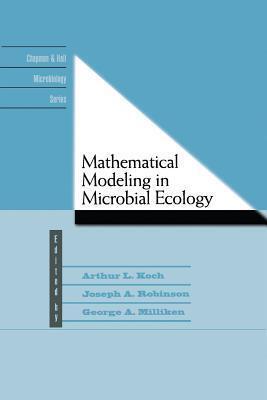
This book serves as a comprehensive guide to the intricate world of microbial ecology through the lens of mathematical modeling. It delves into the interplay between microbial populations and their environments, emphasizing the importance of quantitative analysis in understanding ecological patterns. With a balanced approach that combines theory and practice, it presents methodologies that scholars and practitioners can adopt in their own research.
The authors, seasoned experts in the field, offer insights that bridge gaps between mathematical concepts and ecological applications. Through detailed examples and case studies, they illustrate how modeling can unveil complex relationships within microbial communities, enhancing the reader's grasp of essential ecological dynamics.
Intended for both advanced students and researchers, this resource is a valuable addition to the field of microbiology. It encourages a deeper appreciation of the mathematical underpinnings of microbial interactions, promoting a more analytical perspective in ecological studies.
The authors, seasoned experts in the field, offer insights that bridge gaps between mathematical concepts and ecological applications. Through detailed examples and case studies, they illustrate how modeling can unveil complex relationships within microbial communities, enhancing the reader's grasp of essential ecological dynamics.
Intended for both advanced students and researchers, this resource is a valuable addition to the field of microbiology. It encourages a deeper appreciation of the mathematical underpinnings of microbial interactions, promoting a more analytical perspective in ecological studies.
책 세부 정보
형식
페이퍼백
페이지
286 페이지
언어
영어
출판됨
10월 8, 2012
출판사
Springer
판본
판본 2개
ISBN-10
146136826X
ISBN-13
9781461368267