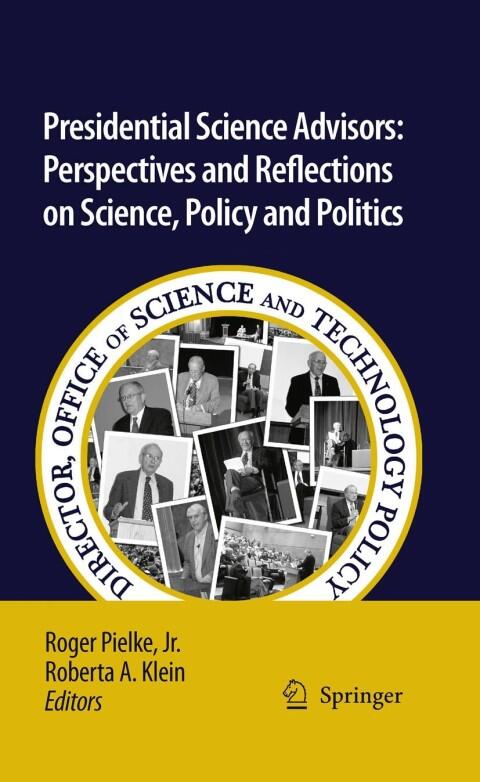
Presidential Science Advisors: Perspectives and Reflections on Science, Policy and Politics
작성자
C. Pharino
아직 평점이 없습니다
Science & Technology
History
Philosophy
형식
킨들
페이지
183
언어
네덜란드어, 플라망어
출판됨
Jan 1, 2010
출판사
Springer
판
2010
ISBN-10
9048138981
ISBN-13
9789048138982
설명
For over five decades, a dedicated cohort of scientists has played a crucial role in shaping U.S. policy by offering their expertise to the presidency. This insightful narrative dives deep into their experiences, traversing the complex interplay between science, policy, and the political landscape. Through a mosaic of perspectives, the work illuminates the challenges and triumphs encountered by these advisors as they navigate the often turbulent waters of governmental decision-making.
Readers gain an intimate understanding of how scientific knowledge intersects with political realities and public opinion. The book captures poignant reflections that reveal the personal and professional dilemmas faced by those operating at the juncture of science and governance. It addresses not only their contributions to policy formulation but also the ethical considerations implicit in their advisory roles.
Ultimately, this exploration serves as both a homage to the scientific advisors and a critical analysis of the evolving role of science in informing political policies. It invites readers to ponder the essential question of how science can best serve the public good in an era of rapid change and uncertainty.
Readers gain an intimate understanding of how scientific knowledge intersects with political realities and public opinion. The book captures poignant reflections that reveal the personal and professional dilemmas faced by those operating at the juncture of science and governance. It addresses not only their contributions to policy formulation but also the ethical considerations implicit in their advisory roles.
Ultimately, this exploration serves as both a homage to the scientific advisors and a critical analysis of the evolving role of science in informing political policies. It invites readers to ponder the essential question of how science can best serve the public good in an era of rapid change and uncertainty.