

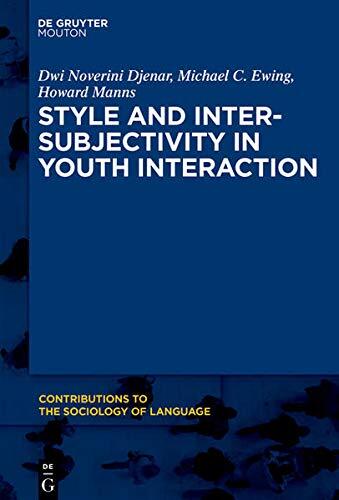
Style and Intersubjectivity in Youth Interaction
아직 평점이 없습니다
Science Fiction
Young Adult
Nature
형식
킨들
페이지
274
언어
영어
출판됨
Feb 19, 2018
출판사
Walter de Gruyter
ISBN-10
1501500708
ISBN-13
9781501500701
설명
This exploration delves into the intricate ways young individuals negotiate their identities and social relationships through language. By focusing on the concept of style, the authors examine how choices in linguistic expression can signal group membership and individual distinctions among peers. The research highlights the dynamic nature of youth interaction, showcasing how language serves as a vital tool for constructing meaning in everyday conversations.
The authors bring a multidisciplinary approach to this subject, integrating insights from linguistics, sociology, and anthropology. Through a series of case studies and real-life examples, they illustrate how intersubjectivity—shared understanding between speakers—is vital for effective communication among youth. This nuanced analysis reveals the complexities of language as not just a means of communication, but also a framework for social interaction and identity formation.
Ultimately, the work sheds light on the significance of style in youth culture, offering valuable perspectives for educators, linguists, and anyone interested in the evolving nature of communication among younger generations. The authors' innovative methodologies and profound insights contribute to a deeper understanding of how language shapes social dynamics within youth communities.
The authors bring a multidisciplinary approach to this subject, integrating insights from linguistics, sociology, and anthropology. Through a series of case studies and real-life examples, they illustrate how intersubjectivity—shared understanding between speakers—is vital for effective communication among youth. This nuanced analysis reveals the complexities of language as not just a means of communication, but also a framework for social interaction and identity formation.
Ultimately, the work sheds light on the significance of style in youth culture, offering valuable perspectives for educators, linguists, and anyone interested in the evolving nature of communication among younger generations. The authors' innovative methodologies and profound insights contribute to a deeper understanding of how language shapes social dynamics within youth communities.