

책 세부 정보
설명
장르들
리뷰
모두 보기
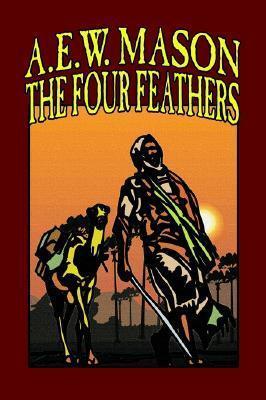
This wonderful book is often mistaken and read as a pro-imperialistic novel. A good argument against such a viewpoint would be the author's depiction of men from different races as a complex mixture of good and evil. In fact, the plot suggests that all races are equal and that goodness, bravery, hatred, love, vileness and so forth are personal rather than racial traits. In this manner, the novel rather denounces imperialism. Through the progress of Harry Feversham, the latter doctrine is depicted as meaningless and unjust since it required of people to fight and die for an ideal in which they no longer believed.At the same time, the plot explores social prejudice by the turn of the century. Both femininity and masculinity were, then, under the confining rule of rigid Victorian ideals. Thus, in refusing to fight for a purpose in which he did not believe, Harry was regarded by his community as a coward. This blemish upon his reputation had instilled in him a desire to rise above all such judgement and prove his worth and valor to those he loved as well as those who looked down upon him. Overall, this is an intent tale of adventure, social conflicts, and human nature. Very enjoyable!