

책 세부 정보
형식
페이퍼백
페이지
291
언어
영어
출판됨
Oct 22, 2020
출판사
Palgrave Macmillan
판
1st ed. 2020
ISBN-10
303050381X
ISBN-13
9783030503819
설명
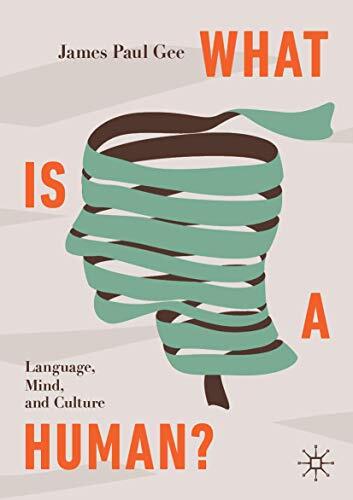
In a thought-provoking exploration of what it means to be human, James Paul Gee delves into the intricate web of language, cognition, and culture. His work examines the profound connections between these elements and how they shape our identity and understanding of the world. Through a dynamic narrative, he invites readers to reflect on the role of language not just as a means of communication but as a vital force that influences thought and cultural norms.
Gee’s insights challenge conventional perspectives, urging readers to consider how language is intertwined with the human experience. He tackles complex ideas surrounding the mind and its relationship with cultural contexts, highlighting how our beliefs and practices are shaped through social interactions. By uncovering these connections, he opens up a dialogue about the essence of humanity, encouraging an examination of the social constructs that define us.
This work stands out not only for its intellectual rigor but also for its accessibility, making it relevant for scholars and casual readers alike. Gee's ability to weave together diverse disciplines fosters a richer understanding of humanity, prompting reflection on our own identities and the societal frameworks that influence them.
Gee’s insights challenge conventional perspectives, urging readers to consider how language is intertwined with the human experience. He tackles complex ideas surrounding the mind and its relationship with cultural contexts, highlighting how our beliefs and practices are shaped through social interactions. By uncovering these connections, he opens up a dialogue about the essence of humanity, encouraging an examination of the social constructs that define us.
This work stands out not only for its intellectual rigor but also for its accessibility, making it relevant for scholars and casual readers alike. Gee's ability to weave together diverse disciplines fosters a richer understanding of humanity, prompting reflection on our own identities and the societal frameworks that influence them.