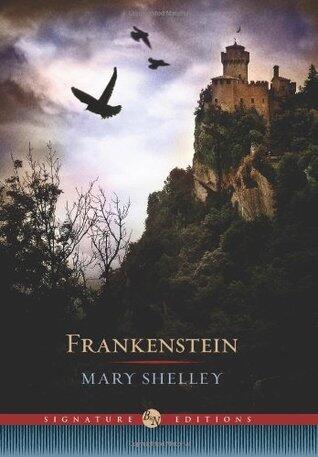
Frankenstein: Or The Modern Prometheus
Beschrijving
The narrative centers around the theme of creation and the pursuit of knowledge. As the protagonist, a young scientist, defies the natural order to forge life, he is soon confronted with the moral implications of his actions. The creature he brings to life, though initially innocent, becomes a symbol of the unintended consequences that arise from the relentless quest for power and understanding.
The emotional landscape of the story is rich, exploring feelings of rejection, loneliness, and the search for companionship. The creature's plight elicits both sympathy and horror, challenging readers to contemplate the complexities of humanity and the responsibilities that come with creation. Characters navigate their intertwined fates, revealing the fragility of relationships in the face of obsession.
Ultimately, this narrative serves as a cautionary tale, reflecting on the dangers of overreaching ambition and the quest for mastery over nature. It invites readers to ponder profound questions about identity, existence, and the ethical boundaries of scientific inquiry, leaving them to grapple with the haunting implications of one man's hubris.
Recensies

This book dives straight into the consequences of unchecked ambition, the ethics of creation, and the devastating loneliness of being made “wrong” by the world before you ever get a chance to exist. Victor Frankenstein is brilliant but catastrophically irresponsible — he wants the glory of creating life, but none of the accountability that comes with it. His cowardice is honestly more monstrous than the creature’s violence.And the creature? Shelley gives him a terrifying level of emotional depth. He’s articulate, perceptive, painfully self-aware. His tragedy isn’t that he’s ugly — it’s that he learns empathy first, and cruelty second. Watching him shift from yearning for connection to calculating vengeance is the kind of character arc modern authors still try and fail to replicate.What really carries the novel is its atmosphere. The isolation. The raw, bleak landscapes mirroring the absolute unraveling of two souls who can’t escape each other. Shelley understood existential dread before we had a name for it.Is the pacing Victorian? Obviously. Does it meander? Sure. But the ideas are sharp enough to cut through any slow patches, and the emotional intelligence on display is still leagues above most contemporary “dark academia” imitators.Bottom line: Frankenstein is a masterpiece because it doesn’t just tell a story — it forces you to confront what responsibility, compassion, and monstrosity actually mean. And every time you reread it, you walk away with a slightly different answer.
This book dives straight into the consequences of unchecked ambition, the ethics of creation, and the devastating loneliness of being made “wrong” by the world before you ever get a chance to exist. Victor Frankenstein is brilliant but catastrophically irresponsible — he wants the glory of creating life, but none of the accountability that comes with it. His cowardice is honestly more monstrous than the creature’s violence.And the creature? Shelley gives him a terrifying level of emotional depth. He’s articulate, perceptive, painfully self-aware. His tragedy isn’t that he’s ugly — it’s that he learns empathy first, and cruelty second. Watching him shift from yearning for connection to calculating vengeance is the kind of character arc modern authors still try and fail to replicate.What really carries the novel is its atmosphere. The isolation. The raw, bleak landscapes mirroring the absolute unraveling of two souls who can’t escape each other. Shelley understood existential dread before we had a name for it.Is the pacing Victorian? Obviously. Does it meander? Sure. But the ideas are sharp enough to cut through any slow patches, and the emotional intelligence on display is still leagues above most contemporary “dark academia” imitators.Bottom line: Frankenstein is a masterpiece because it doesn’t just tell a story — it forces you to confront what responsibility, compassion, and monstrosity actually mean. And every time you reread it, you walk away with a slightly different answer.
Leeslogboek
Geen leeslogboeken gevonden
Begin met het volgen van je leesvoortgang om logboeken hier te zien
Voeg je eerste leeslogboek toeNotities
Geen notities gevonden
Begin met het toevoegen van notities om ze hier te zien
Voeg je eerste notitie toeTransactielogboek
Geen transactielogboeken gevonden
Begin met het volgen van je boektransacties om logboeken hier te zien
Voeg je eerste transactielogboek toe