

Boekdetails
Beschrijving
تصاعدت الأصوات بحدة ورقة. لم يكن هناك أرغن، لم تكن ثمة حاجة لأرغن لأنه من فوق اللحن المتناغم للأصوات الرجالية الجهورة ارتفعت أصوات نساء ندية وصافية، كأنها أسراب طيور ذهبية وسماوية محلقة، وقفا معاً وسط الغبار، الكاهن بردائه الأسود المبهم المعالم وجيليجان بملابسه الصوفية الثقيلة الجديدة، يستمعان، يشاهدان الكنيسة البائسة وقد أضحت جميلة مفعمة بشوق وابتهاج، مشوبة العاطفة وحزينة. ثم تلاشى الغناء، أضحى من الأرض الحالمة بشكل محتوم مع الغد والعرق، مع النشوة الجسدية والموت والخطيئة؛ ثم عادا متوجهين نحو البلدة تحت ضوء القمر، وهما يحسان بذرات الغبار تتخلل حذاءهما.
Genres
Recensies
Bekijk Alles
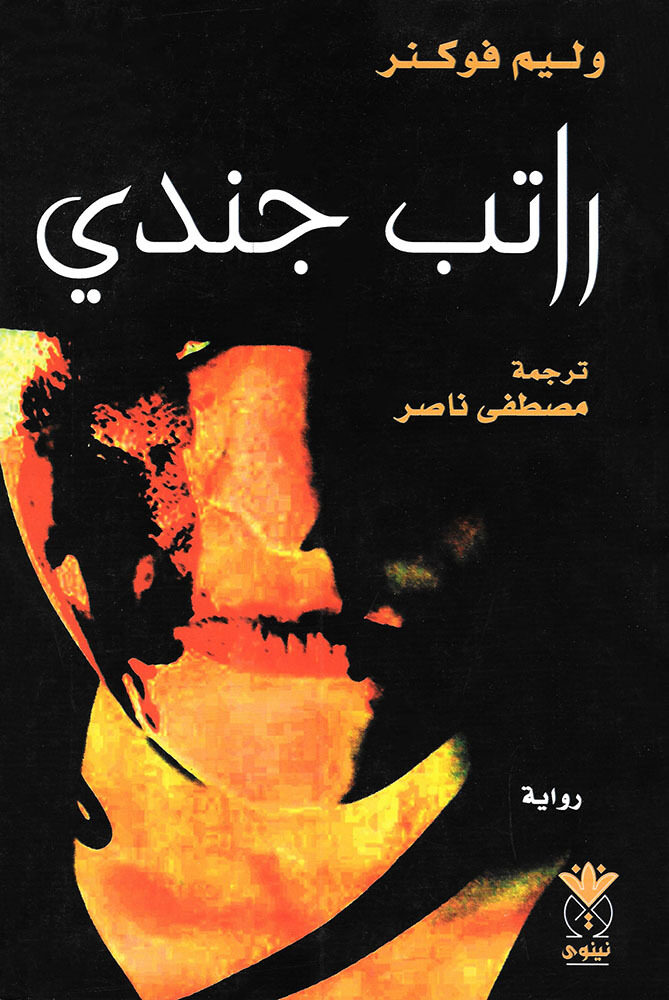
The Sound and the Fury is a novel by American writer William Faulkner, published in 1929 by Jonathan Cape & Harrison Smith. Initially, the book did not enjoy a strong commercial reputation. Interestingly, years later, Faulkner stated that he had written his subsequent novel, Sanctuary (1931), primarily for money, whereas he always considered The Sound and the Fury his "most splendid failure."
A consistent element in the author's work, which makes this a typically American narrative, is the focus on characters from the Southern United States. This is the region where Faulkner spent his childhood and most of his life. Given the period when his struggles with alcohol intensified, one might assume the author already possessed a long-standing familiarity with alcoholism. Furthermore, contrary to the idea that the title is unrelated to the plot, it is actually a vital reference to Shakespeare's Macbeth, symbolizing the tragic and chaotic nature of the story.
This was Faulkner's fourth novel. Regardless of the titles attributed to his works, the author—who debuted as a poet and later as a writer of short stories—never left any doubt regarding the literary talent that would eventually lead him to win the Nobel Prize in Literature in 1949.
The work is composed of four parts. While they are interconnected, the prose style varies significantly in each. The first section reflects the stream of consciousness of Benjy, a thirty-three-year-old man with an intellectual disability. This part is characterized by fragmented dialogue, often dominated by the voices of children or their cries and complaints.
In this first section, the structure is complex; the author masks the narrative logic through temporal shifts that require deep focus from the reader. In contrast, the second part becomes more cerebral, exploring the psychological torment of Quentin Compson and offering a dense, fascinating reading experience.
The third section is the most straightforward. The childhood cries disappear, and the narration becomes sharp and cynical, set against a backdrop of economic bitterness. Despite the protagonist's unpleasant nature, the fluidity of the writing ensures a compelling pace.
To conclude, the fourth section serves as a synthesis of the previous chapters. It resolves the underlying tensions and addresses themes of moral decay and family honor—elements that originally inspired the author to write the book.